
Winter is the most strategic season for municipalities in Northern California. While growth slows above ground, the decisions made during these months determine how smoothly agencies can meet AB 1572 requirements and prepare public landscapes for long-term sustainability.
AB 1572 phases out the use of potable water on non-functional turf, requiring cities, school districts, and public agencies to rethink how landscapes are designed, irrigated, and maintained. Rather than treating compliance as a last-minute mandate, winter offers the opportunity to take a proactive, phased approach that protects both budgets and public spaces.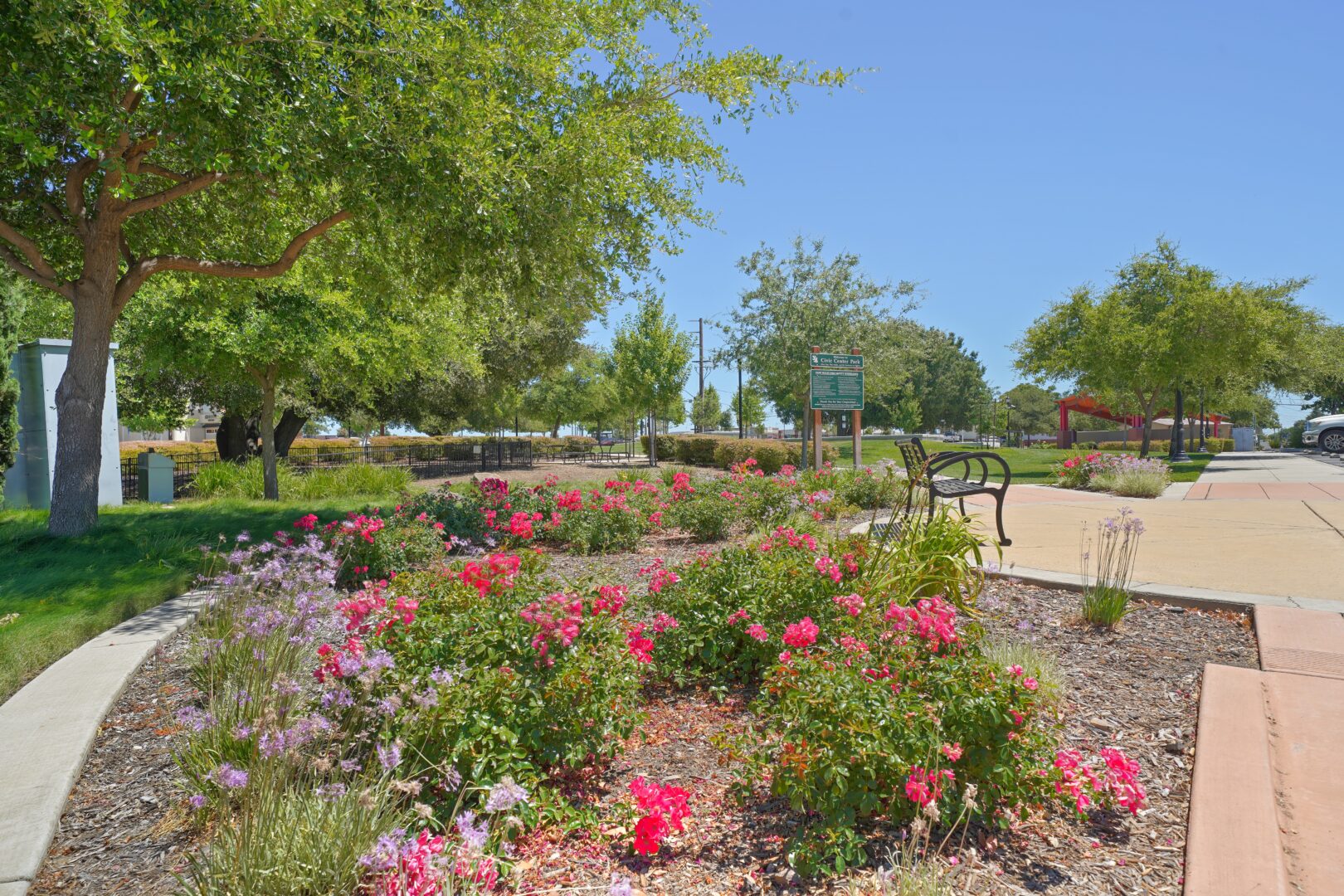
Why Winter Matters
Cooler temperatures and increased rainfall make winter ideal for:
Evaluating existing turf areas
Identifying non-functional spaces
Auditing irrigation systems
Planning conversion projects
Prioritizing capital improvements
This is the season to build a roadmap—so implementation in spring and summer is efficient, compliant, and cost-controlled.
Key Winter Priorities for AB 1572 Readiness
Turf Conversion Planning
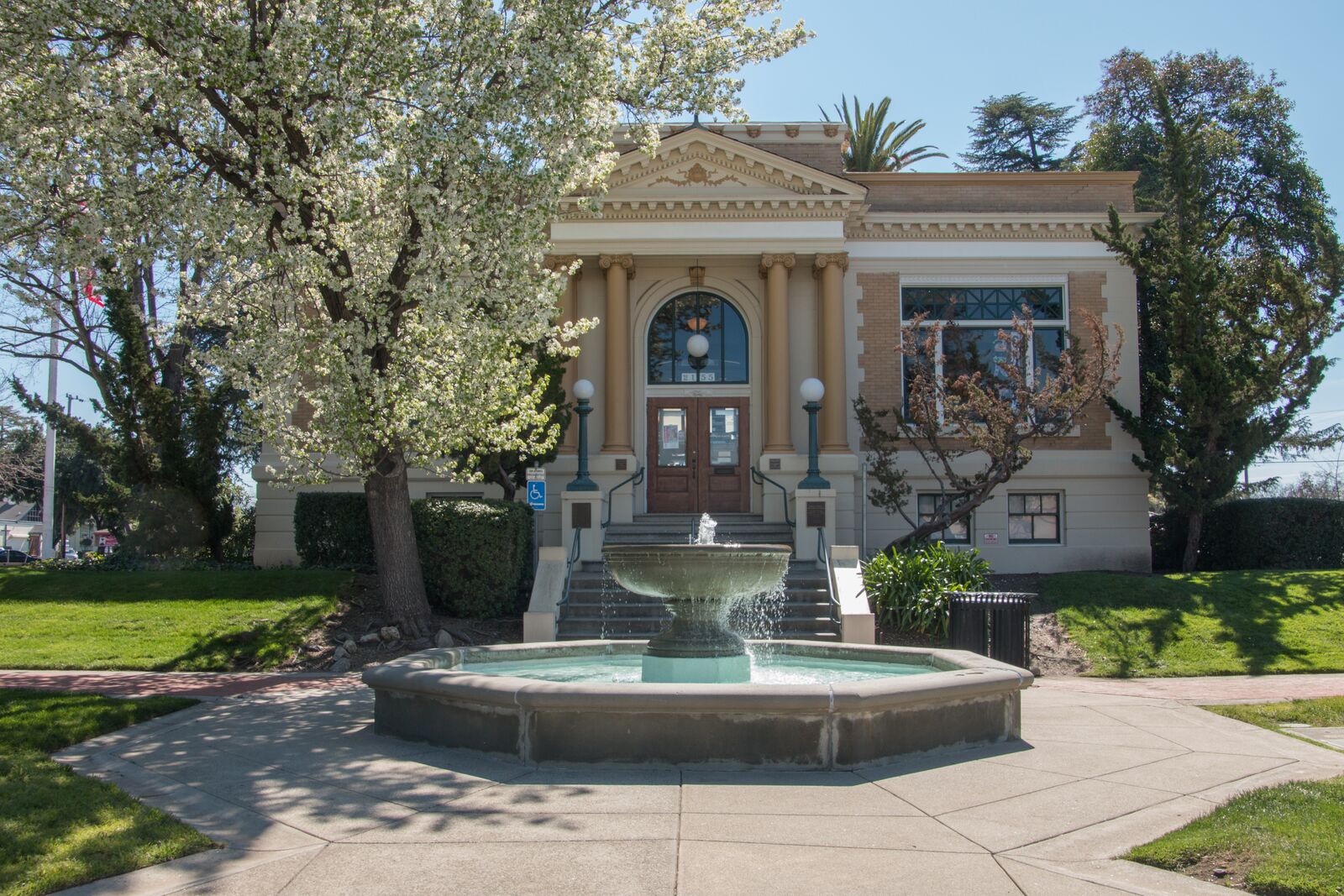
Winter is the right time to assess parks, medians, right-of-ways, and civic spaces to determine which areas qualify as non-functional turf. Developing a phased conversion plan allows municipalities to spread costs over multiple fiscal years while meeting regulatory deadlines.
Irrigation Audits & System Optimization
Reduced demand highlights inefficiencies. Winter audits uncover leaks, outdated controllers, and misaligned zones, ensuring systems are ready for future water-wise landscapes.
Pruning & Risk Management
Structural pruning reduces limb failure during winter storms and protects people, vehicles, and infrastructure—especially in high-use public spaces.
Mulch & Soil Protection
Mulch stabilizes soil, reduces erosion, improves moisture retention, and protects root systems, particularly in newly converted or high-traffic areas.
Stormwater Management
Clearing drains, channels, and inlets prevents flooding and erosion during heavy rain, reducing liability and emergency repair costs.
Protecting Budgets While Staying Compliant
AB 1572 does not have to mean rushed projects or unplanned expenses. A winter-first approach allows municipalities to:
Align conversions with capital improvement cycles
Prioritize high-impact areas
Bundle projects for cost efficiency
Reduce emergency spending from storm damage
Build internal and public buy-in
By treating compliance as a strategic initiative—not a reaction—agencies gain control over scope, timing, and funding.
Winter is not downtime. It is the planning season that determines whether AB 1572 becomes a burden or an opportunity. With the right strategy and support, Northern California municipalities can move confidently toward compliance while creating landscapes that are resilient, responsible, and built for the future.