
Public spaces are more than parks, sidewalks, and plazas—they are the living fabric of our communities. As cities grow and climate challenges intensify, municipalities are turning to green infrastructure as a key strategy for managing public spaces. From controlling stormwater to reducing urban heat, these nature-based solutions create healthier, more resilient communities while helping cities achieve long-term sustainability goals.
What Is Green Infrastructure?
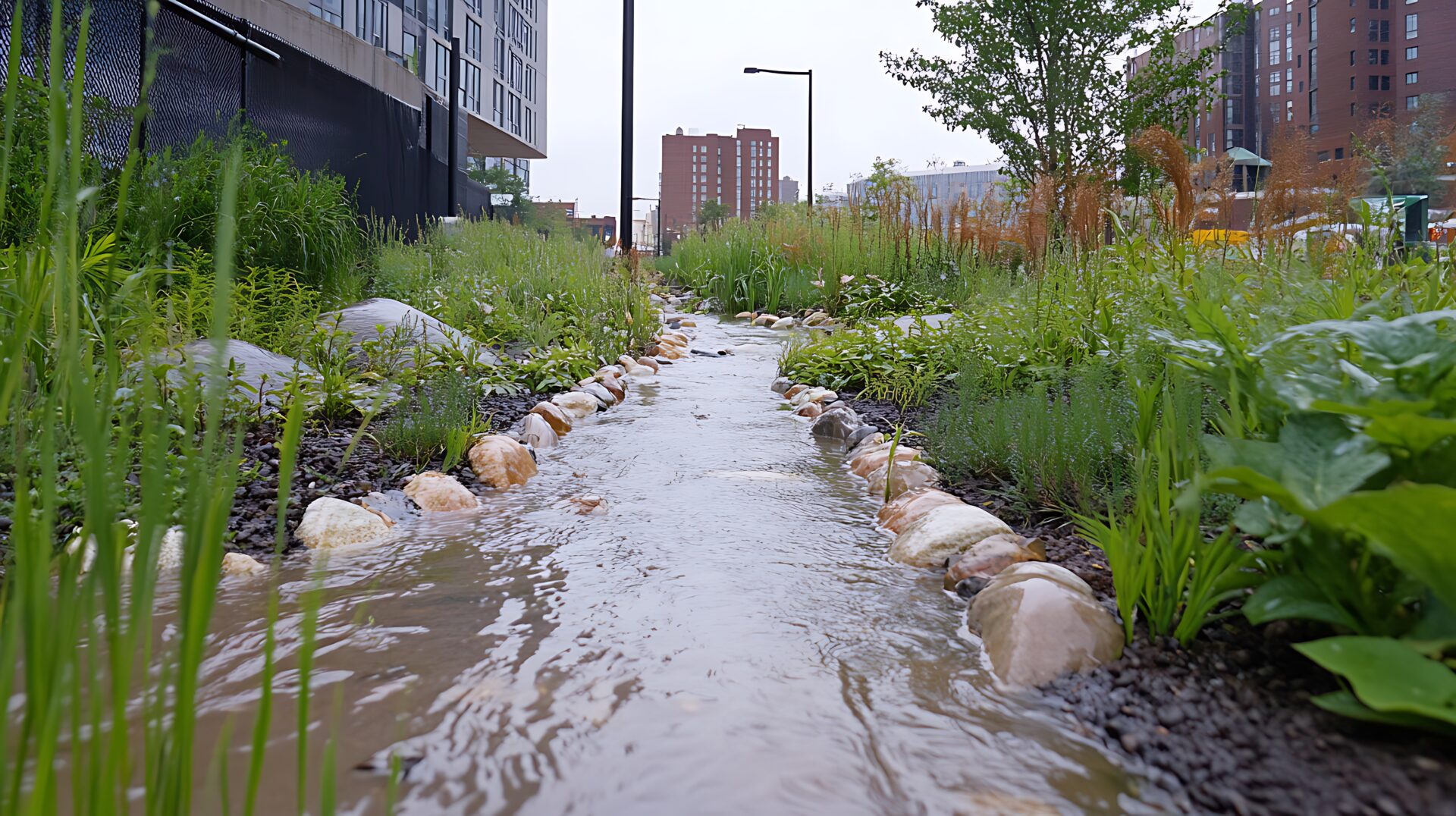
Green infrastructure refers to the integration of natural systems into urban environments to address environmental challenges. Unlike traditional “gray” infrastructure, which relies on concrete and pipes, green infrastructure works with nature to manage water, improve air quality, and enhance quality of life.
Common features include:
Bioswales and rain gardens to capture and filter stormwater.
Tree canopies that cool streets, reduce air pollution, and provide shade.
Permeable pavements that allow rainwater to soak into the ground instead of overwhelming storm drains.
Green roofs and walls that reduce building energy use and add visual interest to cityscapes.
Managing Stormwater Naturally
One of the most critical roles of green infrastructure is stormwater management. Instead of channeling rain into pipes and treatment plants, bioswales, permeable surfaces, and rain gardens absorb and filter runoff. This not only reduces flooding risks but also improves water quality by removing pollutants before they reach rivers and lakes. Municipalities save on costly stormwater infrastructure upgrades while protecting natural waterways.

Cooling Cities and Combating the Urban Heat Island Effect
Urban areas are often several degrees hotter than surrounding regions due to pavement, rooftops, and limited vegetation—a phenomenon known as the urban heat island effect. Expanding tree canopies, planting vegetation, and designing shaded public spaces can significantly reduce temperatures. This creates more comfortable, walkable neighborhoods while lowering cooling costs and protecting vulnerable populations from extreme heat.
Building Healthier, More Resilient Communities
Green infrastructure does more than solve environmental challenges—it also improves community well-being. Access to shaded parks, tree-lined streets, and green plazas encourages physical activity, reduces stress, and fosters social connection. During extreme weather events, such as heavy rains or heat waves, these features provide communities with added resilience and safety.
Supporting Municipal Sustainability Goals
Cities across the country are setting ambitious goals for climate resilience, carbon reduction, and livability. Green infrastructure plays a pivotal role in meeting these targets by:
Reducing stormwater runoff and improving water quality.
Sequestering carbon and improving air quality.
Enhancing biodiversity and urban ecosystems.
Creating inviting, multifunctional public spaces that serve residents year-round.
A Smarter Investment for the Future
For municipalities, green infrastructure represents not only an environmental solution but also a cost-effective investment. By reducing reliance on expensive gray infrastructure, extending the life of public spaces, and improving community health, these nature-based strategies offer long-term returns.