
Across the country, municipalities face the challenge of maintaining beautiful public landscapes while managing tighter budgets and addressing growing concerns over water use. Parks, medians, and rights-of-way are vital community assets, but keeping them healthy can require significant resources. The good news: irrigation retrofits provide practical, cost-effective solutions that not only conserve water but also improve plant health and reduce long-term maintenance costs.
Why Irrigation Retrofits Matter
Traditional irrigation systems are often outdated, inefficient, and wasteful. Overwatering, leaks, and poorly designed coverage can drive up costs and waste thousands of gallons of water annually. Retrofitting existing systems with modern, smart technologies helps municipalities:
Reduce water consumption and utility bills.
Improve plant and turf health.
Lower maintenance and repair costs.
Meet sustainability and water conservation goals.
Smart Controllers: Precision at Your Fingertips
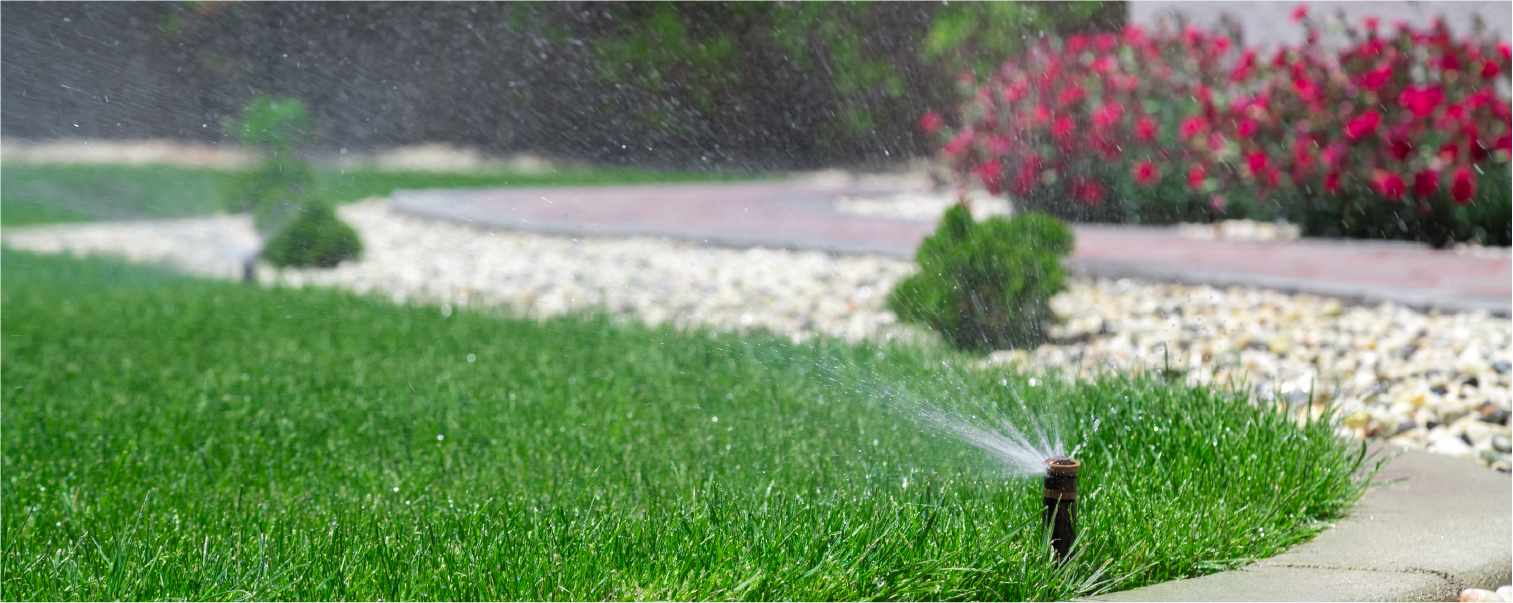
One of the most impactful retrofits is installing smart irrigation controllers. These devices use real-time weather data and site conditions to automatically adjust watering schedules. For example, after a rainfall, smart controllers can reduce or skip irrigation cycles, preventing overwatering and runoff. Many models can be managed remotely via mobile apps, giving municipal staff better oversight across multiple properties.
High-Efficiency Nozzles: Doing More with Less
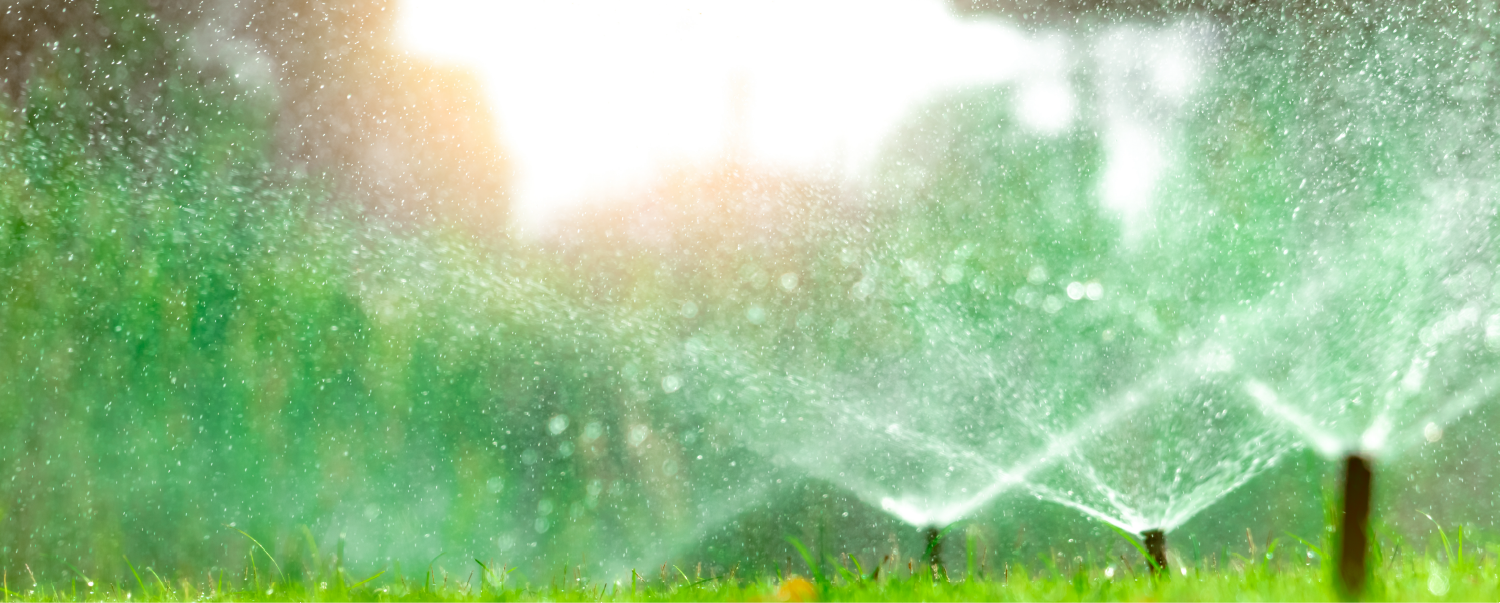
Replacing traditional spray nozzles with high-efficiency nozzles improves water distribution and reduces waste. These nozzles apply water more slowly and evenly, minimizing runoff on slopes and ensuring deeper soil penetration. For large turf areas in parks and sports fields, this upgrade promotes healthier root systems while cutting water use by up to 30%.

Soil Moisture Sensors: Watering When It Counts
Another retrofit gaining popularity is the use of soil moisture sensors. Instead of relying on fixed schedules, these sensors monitor actual soil conditions and only trigger irrigation when moisture levels drop below a set threshold. This prevents unnecessary watering during cool or wet periods and ensures plants receive water precisely when they need it.

Retrofits for Medians and Rights-of-Way
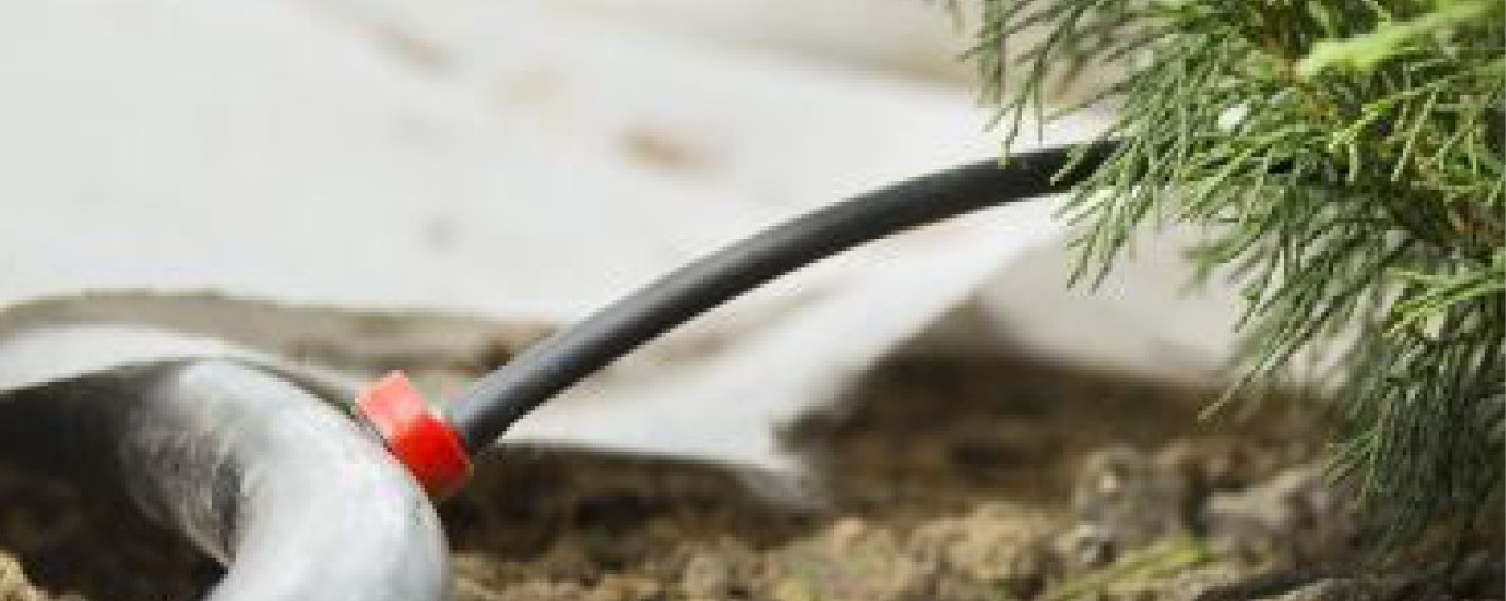
Medians and roadside landscapes are particularly prone to water waste due to their narrow shapes and exposure to heat. Retrofitting these areas with drip irrigation systems and subsurface emitters ensures water is delivered directly to plant roots, minimizing evaporation and overspray onto streets and sidewalks. These systems are low-maintenance and ideal for high-traffic areas.
Long-Term Efficiency and Cost Savings
While retrofits require upfront investment, the long-term savings are significant. Municipalities can expect to see:
Lower water bills within the first year.
Reduced repair costs thanks to modernized, more durable equipment.
Healthier landscapes that require less replacement and replanting.
Tangible progress toward environmental stewardship and water conservation targets.
Smarter Irrigation, Stronger Communities
Investing in smarter irrigation retrofits is about more than cutting costs—it’s about protecting natural resources and ensuring civic landscapes remain inviting, functional, and sustainable for the public. By adopting technologies like smart controllers, high-efficiency nozzles, and soil moisture sensors, municipalities can achieve healthier landscapes, reduce waste, and lead the way in responsible water management.