Last Minute Checklist for your Landscape Maintenance Services

Part 4

During the month of August, we will provide you a 5 part series on how to easily create your 2018 budget, with the help of your commercial landscape company. Below are the links to the other blog posts in this series:

It seems everyone makes a list of some sort.  Whether you keep it in your head or write it down, a checklist is a way to help prioritize the “do’s” and helps to keep track of your next action item.   While you are planning the budgets for the new year, this is a good time to determine what is important to your property landscape maintenance.  Having a simple checklist will keep everyone on the same page and give you a landscape that will attract tenants (and keep owners happy), worry free.

Establishing a comprehensive landscape program is one of the best ways to increase curb appeal and property value.  Take our 6-minute landscape qualifier assessment to determine the best landscape provider for your property.

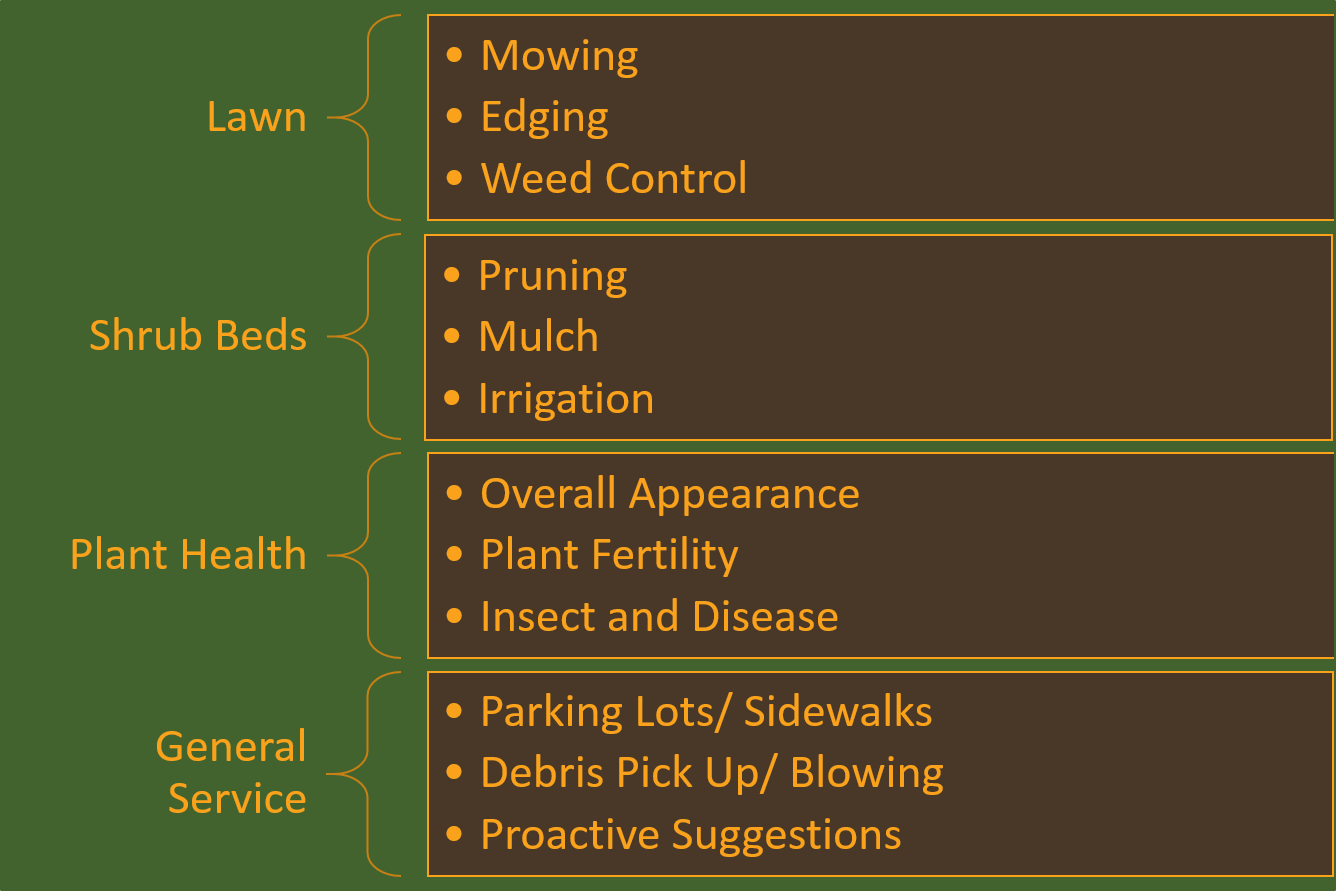
This three-part qualifier checklist will assist you with finding the right landscape contractor to help design the best landscape maintenance plan for 2018.  Don’t cut corners, let us help you build a landscape program that best serves your needs and budget.  This last minute budget qualifier includes tips and checklist on:Check

  • Commercial landscape company qualification
  • Build your commercial Landscape program
  • How to build a Commercial Landscape Budget to get what you want (and need)

Qualifier Check List

Our three previous posts can help you with every step of the process, or simply contact a Terracare Associates account manager.

How can we help?

Steps to Finalize a Budget for your Commercial Landscape Property

Part 3

During the month of August, we will provide you a 5 part series on how to easily create your 2018 budget, with the help of your commercial landscape company. Below are the links to the other blog posts in this series:

4 Steps to building your budget

As a commercial property manager, you may cringe when you hear the word budget. The challenge lies in figuring out how to budget for your property’s landscape maintenance and receive the services you need to maintain a quality property. Understanding and clearly defining scope of work helps to build an accurate budget and communicate your needs to your commercial landscaper. To eliminate guessing games utilize your commercial landscape company to help determine the level of service you expect year round. We recommend four easy steps to help develop your budget and needs for the following year:

Step 1 – Educate and define services needed

Take the time to assess your property and determine what needs to be serviced over the next year. What services should be included in regular maintenance to keep your landscape in pristine condition? What additional work do you need to ensure a beautiful property in the future?  Education on plant and turf requirements and technical landscape best practices can help greatly on determining maintenance requirements.  Terracare Associates –TCA offers both one-on-one assistance and in-office workshops to educate your entire staff.

Step 2 – Contact your landscape professional

Landscaper Building a complete and accurate budget is daunting, so make it easier by contacting your landscape representative. This is a perfect time to ask for assistance when budgeting and forecasting for next year’s services.  TCA assigns a representative to every customer for a consistent and reliable support.

Identify a commercial landscape company who has the right experience, the right focus on customer service, and the right resources to get the job done.

Step 3 – Site improvements

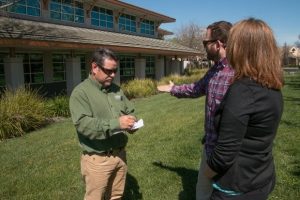
A helpful tool to better understanding the needs of your property is a Landscape Quality Audit performed by your TCA account manager. Does your lawn need extra mowing or fertilization to improve its overall appeal? Are there ways in which plant health can enhance and protect the property assets, such as trees? Would adding mulch to a shrub bed raise the attractiveness of a property?  Check out the entrances, is it stunning?  Have a TCA representative complete a walk through of your property to perform this audit to suggest improvements or identify potential issues that otherwise would have gone unnoticed.

Need Help?


Below are some examples to consider when looking to improve your commercial property’s landscape:


Graph

Step 4 – Complete your budget with end result in mind

How do you want your property to look? Include all landscape maintenance services that create the property you expect.  We have developed a simple budget worksheet exclusively for our customers to easily and quickly define services needed and associated costs. Contact your TCA account manager for help with the budget worksheet.  After clearly defining your property landscape maintenance needs, it’s a simple process to complete the development of a comprehensive budget.

Schedule an Appointment.


Interested in learning more about budgeting appropriately for next year? Let us talk today about how to budget for your commercial landscape maintenance needs, and why managing expectations is critical for a positive year long experience and partnership.

Evaluate and Prioritize your Landscape Projects

Part 2

During the month of August, we will provide you a 5 part series on how to easily create your 2018 budget, with the help of your commercial landscape company. Below are the links to the other blog posts in this series:

Where to Start

Now that you have considered the SWOT (Strengths, Weaknesses, Opportunities and Threats) of your property, this is a great time to decide where your projects fit into your budget. In addition, phasing and scheduling out when each project will occur will help ease and relax your budgeting season.  Most importantly, you have a plan for all of your property’s landscape needs.

Determining Your Costs

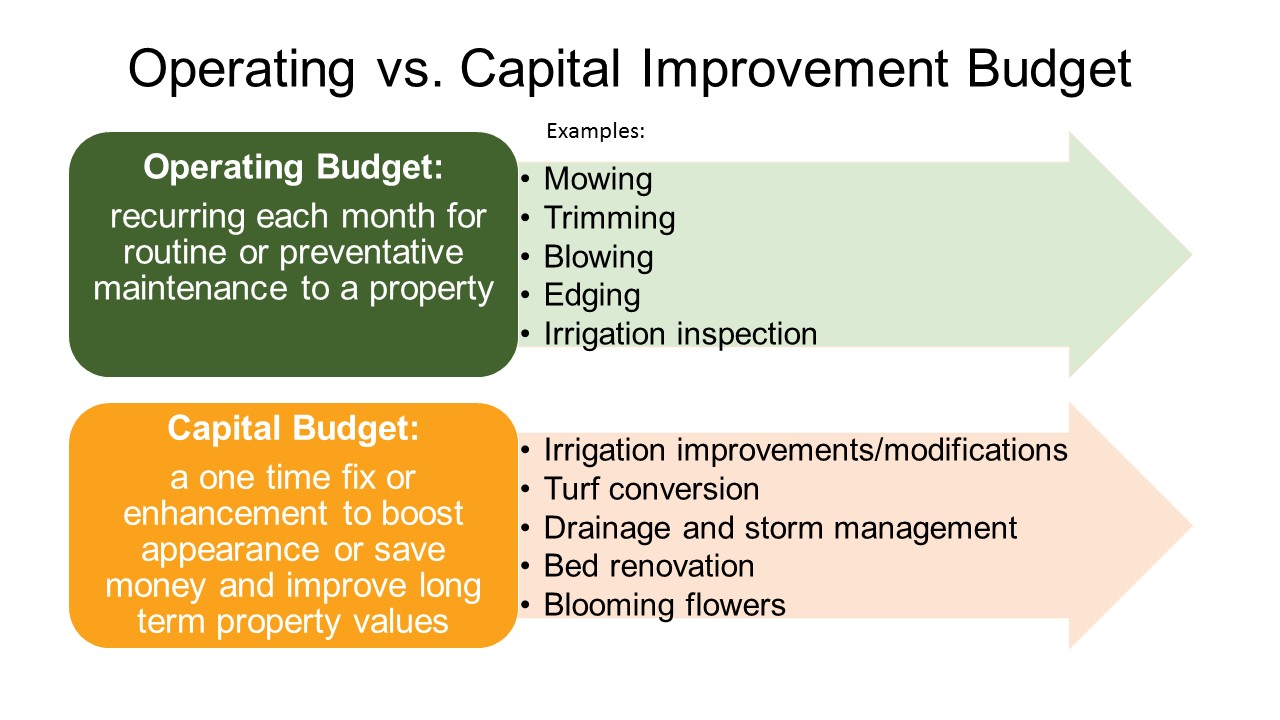
As a property manager or owner, you almost certainly are assessing costs, but how do you identify projects, prioritize and offer continual improvements to the surrounding landscape?  To simplify, let’s break it down into two distinct budgets.

Chart

Why is this important?  Because some property managers and owners may think adding one installation or simply performing monthly maintenance is enough.  In reality, it is a combination of regular maintenance and planned upgrades that keep your property in pristine condition.  It’s not in the best interest for your property to just submit the same budget as last year.  In the end, carefully reviewing the operating and capital budget with your landscape service company will minimize urgent repairs, protect precious resources and be cost effective.

3-Year Plan

Think long term. We recognize budgets are limited and most properties have multiple goals for improvements.  It can be over-whelming and sometimes seem impossible to get all of the projects complete in one year.  Here is where you can get the advice from your commercial landscape maintenance provider on phasing and scheduling out projects:


  • TrimmingThis year – what are some quick fixes you have money to support this year? Is it mulch to spruce up an entrance, fall flowers to plant in planters or additional lawn care for healthy turf.  Consider starting some improvement projects now.
  • The first year is geared toward general maintenance improvements. Improvements may include additional lawn care treatments, plant health care needs, comprehensive pruning and trimming beyond monthly maintenance requirements. This year may be a good time to begin large multi-year projects with phases.
  • The second year is focused on enhancements and major repairs or upgrades.  This may include, irrigation repairs, plant and tree replacement, and drainage upgrades.
  • The third year is focused on multi- year project completions and may include, water conservation strategies or drought tolerant plantings.

Whether you are clear about the commercial property landscape goals or you need help to define a plan, take a moment, and schedule a consultation with your Account Manager at Terracare.  It’s worth the time!


Need more budget help?.

Four Smart Tips to Start a Commercial Landscape Budget – It’s SWOT

Part 1

Studies show a beautiful commercial landscape can raise your property value and attractiveness by as much as 20%.  Simply, through careful planning, a well-maintained property can transform into a place people will enjoy year round. This all starts with a budget.

During the month of August, we will provide you a 5 part series on how to easily create your 2018 budget, with the help of your commercial landscape company. Below are the links to the other blog posts in this series:
Commercial Landscape Budget

It’s SWOT

Start with a walk through with your landscape provider. This opens the discussion on four key areas:

  • Strengths
  • Weaknesses
  • Opportunities
  • Threats or challenges


A SWOT analysis breaks down the property’s features into good or challenging areas and evaluates the property as a whole. Even better, it builds a dialog between you, the property manager, and your landscape account manager on expectations and priorities. Discuss with your Terracare representative the following as you walk the property.


Strengths

Weaknesses

• What do you like about the property?

• Are the property entrances a focal point and well kept?

• Are there shade trees throughout the property?

• Do you have enough color?

• Do you have irrigation issues?

• Are there quick fixes like mulch you can take care of today to improve quickly?

• Are there any menacing pests that will harm trees or plants?

• Does your turf need more luster?

Opportunities

Threats or challenges

• Think long term.


• What projects would you like to do, if costs were not part of the equations?

• Consider upgrading your irrigation system to be eco-friendly and conserve water usage significantly.

• Plant replacement or converting turf area to more sustainable plants.

• Ask your landscape provider how to help build a 3-year landscape plan and start in stages.

• What limitations do you have on the property?


• Will there be more growth?

• Will foot or car traffic increase in the future?

• Look at areas that are more vulnerable, and if left untreated this might have a costly outcome.

•Do you have defined outdoor areas for future visitors or workforce?


What’s next? –  start now, schedule your property walk through with a SWOT in your hand and simplify the decision with this assessment tool.  It’s a smart way to begin your budget process.  See part 2 next week on how to prioritize your landscape projects.


Schedule an Appointment.

Is Your Property’s Irrigation System Wasting Money?

It’s HOT!  Don’t send money down the drain! Your landscape provider can help you maintain and monitor your property’s automated irrigation system to ensure this is the most efficient way of watering your landscape. Having a properly maintained irrigation system is also one of the best ways to minimize water waste and lower overall watering costs.

Smart scheduling saves water

An irrigation controller can help monitor your system’s watering schedule to fit \ the watering needs of your property.  Here is what your landscape provider is looking to do:

  • Setting the timer for early in the morning or in the evening can minimize water evaporation by up to 30%.
  • irrigationA rain or soil moisture sensor controller to monitor and adjust your watering schedule regularly and based on seasonal weather conditions and other factors. Weather-based controllers automatically adjust the irrigation schedule as weather conditions change.
  • Consider the amount of sun, shade, and wind exposure on the plants and schedule individual zones to be most efficient. The type of soil will also affect how much water can be absorbed without runoff. The landscape provider will evaluate the setting to the irrigation system to run for three or four short intervals, allowing time between each for the water to soak more deeply into the soil.
  • Checking often on the sprinkler heads to ensure they are set properly to avoid watering driveways, sidewalks, or buildings.


Regular irrigation system maintenance saves water.

Like any other mechanical system, the irrigation system also needs regular maintenance to keep it working efficiently. Parts will break or wear out and must be replaced. An older system may not be able to handle the needs of a new landscape design or other changes to your property.

Retrofit the system with a rain or soil moisture sensor to prevent over watering. Rain sensors stop the system from operating when it rains; soil moisture sensors use long metal probes to measure moisture at the root zone and turn the system off when no additional water is needed, this is highly encouraged for water conservation practices.

At Terracare Associates, we recommend performing a regular irrigation system audit. Your irrigation systems should be regularly inspected for leaks, broken sprinkler heads, or other damaged components. During our regular inspections, we evaluate pressure and adjust it as needed so your sprinklers work optimally to distribute the water.

(see call to action below)

Free Irrigation Audit

  • This field is for validation purposes and should be left unchanged.

Reasons To Consider Turf Reduction For Your Commercial Property

Sustainable landscapingDid you know that landscape watering accounts for nearly 50% of your water bill?

Property managers are constantly looking for ways to reduce water costs without compromising the appearance of their landscapes. What can you do to maintain the beauty of the landscaping on your commercial property while also using less water in your landscape? One of the best ways to accomplish this is with a turf reduction conversion.

What is turf reduction?

Turf reduction or landscape conversion involves replacing selected sections of turf grass with drought resistant, native plants or other landscape materials. Turf reduction conversion doesn’t mean covering your property in pea gravel or monkey grass. With the vast selection of beautiful native plants with low water needs, creative design and use of alternative landscaping materials, you will not miss the turf areas.

Hens and ChicksNative plants and xeriscaping

Based on the climate and layout of your property, you can use a variety of low-growing ground covers such as Asiatic Jasmine and Lamb’s Ear that can take the heat and have low water requirements. Water-wise perennials and ornamental grasses will also add color and texture to the landscape design.

bushes

Landscape alternatives

Crushed granite, mulch and river rocks are a few landscape alternatives to replace irrigated turf grass in

areas that are long and narrow or small and odd-shaped.

Why you should consider turf reduction conversion

  1. It uses less landscape water and reduces watering costs

Everyone loves the look of a beautifully manicured, lush, green turf area on their property. Because of the rising cost of landscape watering, many municipalities offer a rebate for reducing the turf areas on residential and commercial properties.

  1. Is turf grass the best choice for certain areas?

The best use of turf grass is on areas where people will be sitting or playing. Ask yourself: is it necessary to have turf grass in parking strips/islands or on south-facing slopes? Why pay to water turf in these hard-to-maintain areas, when that water can be used for the most valuable things in your landscape: trees.

  1. Sustainability and being green

Today, being water-wise and sustainable are not just buzzwords. Irrigation modifications, using native plants and xeriscaping design are not only good for business, but good for the environment as well.

Is turf reduction right for your commercial property? Contact Terracare Associates.

How to Improve Your Property’s Irrigation System on any Budget

Today, commercial property managers aim to have sustainable landscapes that enhance the look of their property without overusing precious resources, such as water.. Time and budget constraints can often limit plans to completely overhaul your landscape irrigation system. However, you might be able to make some of the needed improvements in incremental steps.

Implementing just a few of these suggestions each year can make a significant impact on your irrigation system, watering costs and your landscape’s appearance. Our staff at Terracare recommends the following solutions and best practices:

Step 1 – Simple and low cost solutions

  • Use mowers with mulching blades on turf areas– do not bag grass clippings or leaves.Coneflower
  • Implement an integrated pest management program
  • Mulch beds with 2-3 inches of organic material to prevent weeds and hold moisture near the root zone of the plants.
  • Use water-wise perennial and native plants
  • Perform turf aeration – pull plugs out of the soil throughout the turf to get more oxygen and water to the root system.
  • Install rain and freeze sensors on your irrigation system to avoid unwanted or unsafe watering.
  • Perform regular irrigation system check-ups, looking broken sprinkler heads, clogged lines and other problem areas.

Step 2 –Moderate cost solutions

  • Sub-metering your irrigation system will allow you to better track water usage and remove water waste costs from your irrigation bill.
  • Shred and reuse all organic materials and landscape trimmings as mulch or compost.
  • Conduct an irrigation audit to determine your water usage.
  • Replace rotor spray nozzles with stream spray nozzles to reduce water runoff.


Step 3 – High impact solutions

Some solutions cost more, however, the long-term gains in efficiencies, water conservation and significant reductions in water costs is well worth the investment.

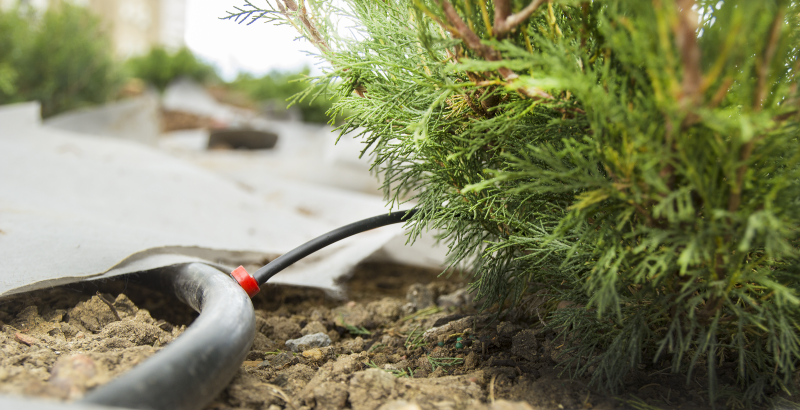
  • Install a drip irrigation system throughout the property Drip system
  • Consider an irrigation supply system that uses captured rainwater, gray water or onsite treated waste water.
  • Install an ET controller, equipped with weather station monitoring – this better controls when and how much the irrigation system operates.

These are just a few suggestions that you can implement to improve your irrigation system.

For more information about ways you can make improvements on your landscape irrigation system, contact Terracare Associates by visiting our website.

Terracare Associates’ irrigation experts are state-licensed technicians, trained to provide watering programs based on the varying needs of plants and planting environments. We design irrigation programs that are tailored to the client’s water use budget, while protecting their landscape investments.

Free Irrigation Audit

  • This field is for validation purposes and should be left unchanged.


Parking Lot Repairs That Will Improve Your Property Value

Spring has made an early appearance and that’s a great excuse to get outside and walk your parking areas to determine what needs should be addressed. As a commercial property owner, a sound facilities management and maintenance program is a necessity to keep the value and appearance of the facility at its best. Maintaining a parking lot can seem daunting, but it is a necessary task. The parking lot is the first impression your customers are presented. It should be clean, easy to navigate and free of asphalt defects.

Here are some types of maintenance services you should be looking to be provided:

Cleaning:

Regular trash pickup, sweeping and power washing will help keep the parking area neat and attractive. Potential customers will not have to worry about driving or walking amongst discarded cans, containers or other debris from the “less than considerate” folks that will come through the facility.

Potholes and asphalt repairs:pothole

Once asphalt deterioration begins, it can progress quickly. These areas should be addressed as soon as possible to reduce the overall affected area in need of repair. A poor condition parking lot is a direct reflection on the business.


Seal Coating:

The application of an asphalt sealant not only keeps the parking lot looking new, it helps prevent the degradation of the asphalt surface. The sealant repels the damage of day-to-day exposure from the environment, such as UV rays, water, salts, spilled fuel, etc.

Crack sealing:

This is the biggest bang for your buck in maintenance processes. Any crack in the parking surface presents an opportunity for water to infiltrate and begin the process of creating a compromise in the integrity of the pavement. This is the beginning of the menace called potholes.

asphalt repairReplacement:

When you have an area that just falls apart: the real solution is to remove and replace it. Temporary fixes just prolong the inevitable. Have it dug up, recondition the base and then re-install the pavement. The new asphalt should then become part of a regular maintenance plan to prevent a repeat scenario.


If there is one thing to remember, it is that maintenance must be done at a planned regular sequence to prolong the longevity of the pavement and enhance the property appearance and value.

The Three Biggest Landscaping Trends for 2017

Environmentally friendly landscaping practices have been growing in popularity for many years, and 2017 is no exception. The biggest landscaping trends this year focus on protecting the environment and preserving local resources.

  1. NaturescapingNaturescaping

Naturescaping is a landscape concept that involves selecting plants for your property that grow naturally in the area.  Since these types of plants are already evolved to grow under local conditions, the landscaping does not need to be drastically changed to suit them. Not only is this type of landscaping low maintenance, it is environmentally friendly because it requires less watering, less pesticide use and less fertilizer.

  1. Water conservation

Regulating water use is a top priority during drought conditions, but water conservation tends to slip people’s minds when precipitation levels return to normal. However, water regulations are becoming the new norm year-round due to unpredictable weather conditions across the United States. Choosing drought-resistant plants for your property can drastically reduce the amount of water needed for irrigation. Drip irrigation is another great way to accomplish this. Drip irrigation drips water slowlyDrip system onto the roots of a plant through a system of pipes and valves, rather than saturating plants with a sprinkler system. This minimizes nutrient loss and greatly increases the efficiency of watering. The simplest way to conserve water is to reduce unnecessary water usage before it happens by regularly checking irrigation equipment for leaks and cracks.


  1. Technical advances in irrigation

New technology is constantly being developed to help landscapers and property owners more easily and effectively manage irrigation on their properties. One of the most popular innovations is wireless irrigation controllers that run on Wi-Fi. These are used in conjunction with rain sensors, so they can track weather trends in the area and soil moisture levels to detect how much water needs to be dispensed on your property.

Visit our website website to learn how Terracare Associates can help you and your properties keep up with the latest landscaping trends.

The Autumn Landscape Checklist

Just in time for winter, autumn is an ideal time to prepare your landscape

Autumn months are optimal times for improving, preparing and caring for your landscape and property. Every region of the country experiences different winter weather so while property managers need to prepare accordingly to their region, there are a few tasks that are applicable to every landscape.

Mark Slicker, Business Development Manager in Dallas / Fort Worth, shared a few of these general tips for property managers:
  • Change out any summer seasonal color for winter seasonal color. Install a variety of flowers which will handle the winter months such as Pansy, Viola, Dianthus, Cabbage, Kale and Dusty Miller.
  • Prune. This is the time to prune trees and shrubs to minimize any possible damage which might occur during ice and snow storms. We recommend pruning magnolias, live oaks and wax myrtles.
  • Reshape trees. Conduct major re-shaping of shade trees (oaks, aspens, poplars, elms and birches) as needed after the first freeze when plants go dormant. This is a good time to remove dead or excess plant materials that stands out on bare limbs.
  • Install new plant material. Plant roots grow anytime the soil temperature are 40 degrees or higher – this is typical during the fall. Cooler temperatures and more moisture means newly sowed plants can focus on establishing heartier root systems.  If a root system is established in the fall, then when spring arrives, this expanded root system can support and take advantage of the full surge of spring growth. It also means it is more likely to survive during the summer heat.
  • Divide and replant perennials. The great part about perennials is once the plant is established and healthy, these plants can easily be divided and replanted in other areas of the property. Now is a good time to do this task. Perennial flowers such as iris, day lily, coneflower, coreopsis, and lavender are great examples.
  • Control weeds. Weeds are just like other plants in your landscape. They are saving the last bits of sunlight, water and nutrients to survive through the winter. Now is the time to apply weed killing compounds as the plant will take this with everything else it’s gathering to survive and transports it directly to the growing point of the plant.
  • Aerate. No matter the style of aeration, the fall is the best time to aerate the green spaces and grassy areas on your property. Aeration opens the soil and promotes a better environment for grass roots


Need help cleaning and preparing your property this fall? Contact us for a free assessment on how and where to best work with you to exceed your property’s needs.