What You Should Know About Retention and Detention Ponds

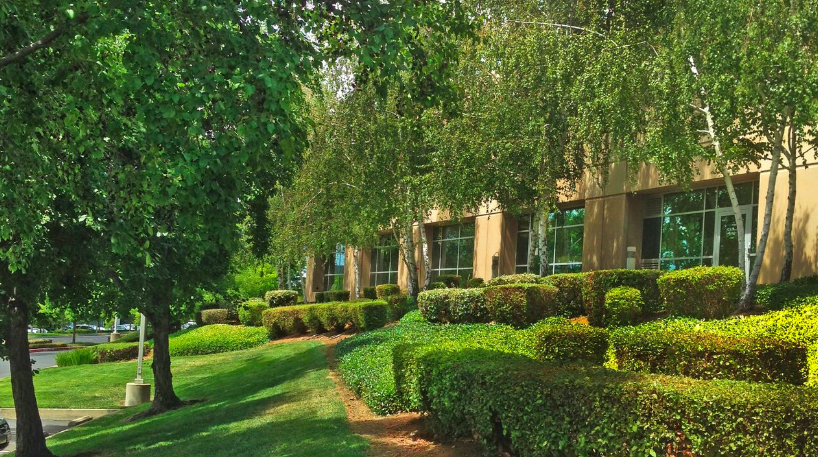
It’s the middle of summer with hard – dry baked ground surface flash floods and runoff are a likely threat to commercial and public properties. How do you best control and protect your property from heavy rains? In more susceptible flood areas of your property, creating retention and detention ponds can be very effective. These depressions in your property are designed to help minimize the effects and possible damage by heavy rainfall, snow melt and sudden downpours that cause flooding. They help capture runoff that could otherwise damage your well-maintained landscape.


The Definitions

Retention ponds are wet ponds. Typical characteristics include water in the depressed area and steep side banks. Detention ponds are traditionally dry except during flooding weather to help control and manage the movement and settling of water. In some instances, detention ponds are used as a park during dry weather.


Maintenance

Both areas require much of the same maintenance to assure they properly function as they were designed. Both ponds need to be mowed regularly – keeping grass to a height of four to six inches to ensure healthy growth and minimize weeds. Dumping of grass clippings and other items should be discouraged. Herbicides should be used sparingly or not at all, as they could be washed downstream and create toxic conditions. Special care needs to be given to pipes or channels leading in or out of the ponds. Removal of trash and debris are crucial steps to make sure the proper drainage flow is maintained. Plugged channels can create erosion in other areas of the pond causing the integrity of the structure to fail, resulting in greater damage.

Detention ponds often have sediment that settles at the bottom of a pond that needs to be removed once the pond has dried.

Retention ponds tend to need more monitoring because of their purpose – holding water. Slopes of retention ponds need to be checked for erosion at least once per year, and more frequently if the season has been unusually wet. In retention ponds, floating litter, algae and shoreline erosion are common, as well as stagnant water producing odors and breeding grounds for mosquitoes. Sediment build up needs to be documented as the removal process is much more difficult. These conditions require ongoing monitoring and maintenance plans.


Checklist

We compiled a quick checklist to monitor and properly maintain retention and detention ponds and we can offer this service as part of our base maintenance contract if needed:

  • Routine inspections to evaluate damage to slopes, channels, and outfall structures performed annually and after major precipitation – heavy rainfall, flooding, and snow melt.
  • Vegetation management to maintain native plant growth at a healthy height (four to six inches) and limited or no use of herbicides.
  • Trash, litter and debris removal – paying particular attention to inflow and outflow points and devices.
  • Check equipment of all mechanical devices including fence gates, pumps or valves.


Retention and detention structures were built for the purpose to protect from flooding and to aid in the capture of water runoff from heavy rain or snow falls. When maintained properly, retention and detention ponds minimize the effects and help maintain a protected and beautiful landscape.

How this surprising landscape enhancement can revive your property

You’ve likely seen this enhancement right in front of your eyes, yet perhaps never noticed it. It’s an easy, cost efficient enhancement offering a significant impact on protecting your landscape and water bill. The enhancement is mulch. It is a great addition to help your trees and landscape thrive throughout the year. It especially plays a vital role during the hot summer months and during times of drought. So what is mulch and how can adding it improve your property’s landscape?


What is mulch?

Mulch is any type of material – natural or synthetic – serving as a cover and is spread over the surface of soil. It can take many forms including bark, compost, grass clippings, shredded leaves, and straw. Ideally it is economical, easy to apply and remove, stable, supplies organic matter to the soil, and free of weeds, insects, and diseases.

Mulch

How it can help.

  • Creates insulation. Mulch helps reduce water from evaporating off soil thus reducing the need to water plants frequently. It also helps keep plant roots cooler during the hot months.
  • Suppresses weeds. Mulch is most effective in minimizing the growth of weeds when thoroughly applied to an area. Areas with low or bare spots are prone to weed growth.
  • Improves soil quality. No matter the consistency of the soil you’re dealing with, mulch can help. In sandy soil, it provides nutrients and improves the soil’s ability to hold water. In soil containing clay, it helps break up the clay allowing better air and water movement through the soil.


As Donald A. Rakow noted on Cornell University’s website, “When water droplets land on bare soil, the impact causes soil particles to fly in all directions, resulting in soil crusting and slow water infiltration. Most mulches break the impact of the droplets, reducing soil erosion and crusting and increasing the penetration of water into the soil.”


Where you should use it.

Different types of mulch should be used around different areas on your property. In flower beds, consider using bark mulch to curb weed growth, improve soil quality, and water absorption. Around trees, remove the grass around the trees and replace it with mulch. This minimizes competition from water and nutrients. It again helps keep the roots moist and reduces damage from lawn mowers. Your landscape professional can help identify other areas where mulch can be added to your property.


TCA’s San Francisco Bay Area-based Enhancements Manager, Quinton Guenther sums it up, “Installing bark mulch on your property will instantly add curb appeal making your planter beds look crisp and clean. Additional benefits are water retention, pesticide reduction (less weeds) and help naturally build up the soil quality as the organic material breaks down over time.”


Are you considering adding enhancements to your property this summer or fall? Our experts are happy to meet with you to help with enhancement projects you’re looking to work on. Why not drop us an email so we can help you make your property its best?

3 Landscape Enhancements Worth the Investment

Enhancements to a property are an easy way to add curb appeal and value to your property. So what’s holding you back from investing in enhancements for your property?


Terracare Associates — TCA knows that enhancement projects, which fall outside the ongoing maintenance contract, often fall to the bottom of the to-do list or budget allocation. However whether you’re investing for the first time or reinvesting in upgrading or refurbishing sections of your landscapes, many property managers agree that enhancement projects are worth the time, manpower, and budget allocation.


Before getting started on enhancements projects, work with your landscape provider to evaluate the purpose you want the enhancement to provide. They will help evaluate the main purpose for investing in landscape enhancements on your property include beautifying, safety and damage control, and cost savings. All enhancements should add a clear purpose or interest to your landscape. For instance, when adding sprinklers or irrigation to a property make sure that proper drainage is installed as well. This ensures excess water can properly drain so areas do not flood, become damaging to concrete or unsafe to visitors.


Once you’ve evaluated the purpose for enhancement to your property, here are three quick ideas for enhancements worth investing in right now:

1.Integrated Perennial Plants

Perennial plants return year after year blooming on their own. Perennial flower beds and plants (often referred to in short as “perennials”) help enhance a property in two ways — reducing costs and establishing a property. While the upfront costs for purchasing perennials can be substantial, over the long-term, they reduce costs by enabling properties to purchase and plant flowers once. They also can make a property feel like it’s been there longer. As Terracare Associates Enhancements Manager, Khalana Gocken notes, “Perennials attract investment. They give visitors and passersby the impression the property is established, approachable, and pays attention to detail.” In addition, your landscape provider can recommend annuals flowers to add pop of color to incorporate with perennials creating that “wow” factor for your landscape.

Screen Shot 2016-06-16 at 2.45.45 PM

2. Trees

It’s no secret that trees add value to your property. Trees provide shade and cool the surrounding area, help create a welcoming atmosphere around a property, and provide food and shelter for wildlife. In fact, the U.S. Department of Agriculture believes, “The net cooling effect of a young, healthy tree is equivalent to ten room-size air conditioners operating 20 hours a day.” Trees can save money and protect the visitors from the harsh hot summer sun. However, adding trees shouldn’t be haphazard; every tree is different so think about the ideal placement for the size, shape, and growth habits of each tree. Your landscape provider can work with you to find the perfect trees for your landscape needs.

Screen Shot 2016-06-16 at 2.47.18 PM

3.Drainage

So you’ve invested in trees, bushes, shrubs, and flower beds – a big rain storm hits your property and the surrounding area and now it is flooded. But you haven’t invested in adequate drainage so your plants are drowning in excess water having nowhere to flow. Worst yet, poor drainage can flood area buildings, parking lots, and even surrounding parking areas and roads making it unsafe. Keeping your landscape, plants, and trees properly watered by allowing excess water to drain is extremely important to your property. In severe cases, building detention or retention ponds, serving an important flood control, may be necessary in extreme flood stricken areas. Swales are low track lands, specifically moist or marshy land areas, that can be naturally created or manmade, and are designed to manage water runoff, filter pollutants, and guide water run off away from populated areas. All of these drainage enhancements can protect your property investment from rain and snow run off making your landscape areas safe and healthy.

Screen Shot 2016-06-16 at 2.48.41 PM

Looking to add enhancements to your property? Why not drop Terracare Associates a line to learn how our experts would help add value to your property?

3 Reasons Enhancements Improve Your Property

A commercial property, municipal park, or other landscaped areas need ongoing improvements, but it is not always easy to justify the expense. When evaluating your landscape enhancement needs you may be looking at projects such as:

  • Adding a bed of perennial flowers near a parking lot
  • Sprucing up an entrance with trees for shade and protection
  • Installing a state-of-the-art water efficient sprinkler system to save money
  • Creating a patio area for visitors to use and beautify the area


You likely realize enhancement projects add to your property’s curb appeal, but do you know how else they can help your property? Here are a few ways.


Reduce water costs

Think long-term when it comes to your property’s landscape. Enhancements can reduce your water costs and usage. A few examples of enhancements that can help cut water use:

  1. Upgrade to new water-efficient smart controllers for your water system will cut water usage and costs.
  2. Invest in turf conversion in areas that grass is not used for recreation or relaxation.
  3. Install drought-resistant plants and grasses can help reduce water usage and overall maintenance.


Increase desirability of property

Think about the last time you were on a property that was appealing and comfortable. Now think about what landscape features that property exhibited. Was it a nice water feature or vibrant flower bed? Any of these enhancements can often conjure positive feedback and attraction for visitors and employees who are on the property. It increases the property’s desirability and has proven to help raise occupancy rates or visitors, increase overall value of the property, and most importantly, those living or working in the area, have an increased desire to stay.


Protects existing landscape investments

You’ve already invested time, manpower, and money into developing and maintaining your property. Now is a good time to consider protecting these landscape assets with enhancements. Examples of enhancements that will help protect and maintain your landscape:

-Drainage: Ensure plants and trees have adequate drainage and excess water is flowing into the correct areas.

-Mulch: Mulch can reduce evaporation from soil, stabilize soil moisture, and more.

-Arbor services: You’ve invested in trees. Now make certain those trees thrive through pruning and proper fertilization.


Interested in learning more about how enhancements can improve your property? Reach out to Terracare Associates and we’ll happily answer your questions and work with you to identify which enhancements are best for your property.