Four Smart Tips to Start a Commercial Landscape Budget – It’s SWOT

Part 1

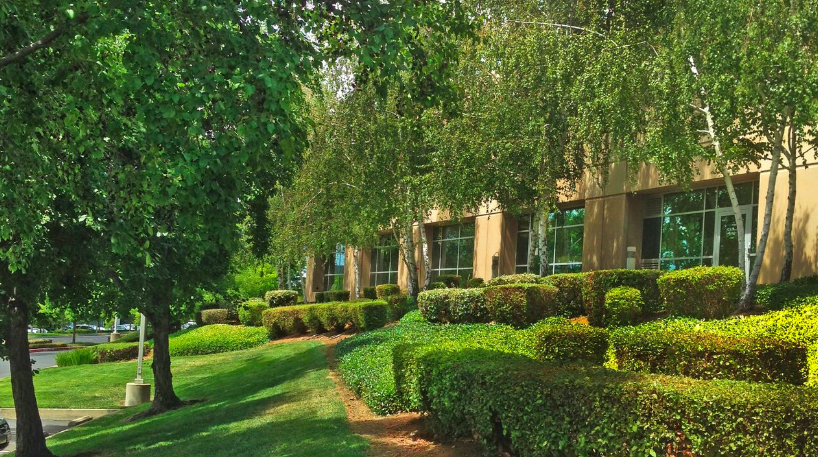
Studies show a beautiful commercial landscape can raise your property value and attractiveness by as much as 20%.  Simply, through careful planning, a well-maintained property can transform into a place people will enjoy year round. This all starts with a budget.

During the month of August, we will provide you a 5 part series on how to easily create your 2018 budget, with the help of your commercial landscape company. Below are the links to the other blog posts in this series:
Commercial Landscape Budget

It’s SWOT

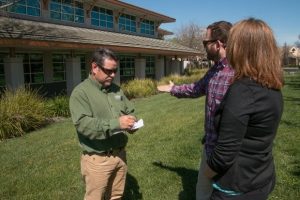
Start with a walk through with your landscape provider. This opens the discussion on four key areas:

  • Strengths
  • Weaknesses
  • Opportunities
  • Threats or challenges


A SWOT analysis breaks down the property’s features into good or challenging areas and evaluates the property as a whole. Even better, it builds a dialog between you, the property manager, and your landscape account manager on expectations and priorities. Discuss with your Terracare representative the following as you walk the property.


Strengths

Weaknesses

• What do you like about the property?

• Are the property entrances a focal point and well kept?

• Are there shade trees throughout the property?

• Do you have enough color?

• Do you have irrigation issues?

• Are there quick fixes like mulch you can take care of today to improve quickly?

• Are there any menacing pests that will harm trees or plants?

• Does your turf need more luster?

Opportunities

Threats or challenges

• Think long term.


• What projects would you like to do, if costs were not part of the equations?

• Consider upgrading your irrigation system to be eco-friendly and conserve water usage significantly.

• Plant replacement or converting turf area to more sustainable plants.

• Ask your landscape provider how to help build a 3-year landscape plan and start in stages.

• What limitations do you have on the property?


• Will there be more growth?

• Will foot or car traffic increase in the future?

• Look at areas that are more vulnerable, and if left untreated this might have a costly outcome.

•Do you have defined outdoor areas for future visitors or workforce?


What’s next? –  start now, schedule your property walk through with a SWOT in your hand and simplify the decision with this assessment tool.  It’s a smart way to begin your budget process.  See part 2 next week on how to prioritize your landscape projects.


Schedule an Appointment.

Tips for Driving Safely with Snowplows

Winter is just around the corner. Municipalities, cities, DOTs, and others are gearing up for the winter by preparing their snowplow crews and equipment. We can all learn valuable lessons from these agencies by preparing our vehicles and ourselves for the upcoming season.


Snowplows serve to make the community and roads passable during the worst winter weather. Snowplows are fitted with heavy, wide plows on the front of the truck to clear as much snow and ice from the road as possible – this means sometimes they may cross the centerline, shoulder of the road or make other moves in their effort to provide a driving surface the general public can navigate. If you encounter a plow, slow down and give them the space they need to perform their task. Your best chance to arrive at your destination safely is to stay behind the plow as the worst of the conditions are in front of the plow. It’s important that everyone, from individual drivers to plow operators, stay safe on the road to get home safely so here are some tips.


Prepare your vehicle

It is good practice to maintain your vehicle year round, however it is especially important to winterize your vehicle to avoid the dangers of frigid winter weather.

Check the following before snow begins to fall:


  • Wiper blades and windshield washer fluid
  • Battery
  • Ignition system
  • Brakes
  • Electrical system
  • Tires
  • Antifreeze
  • Heater and defrost system


Additionally it’s recommended to carry blankets, booster cable, a flashlight and extra batteries, snow scraper and shovel.


When driving:

  • Give snowplows room to do their job. It’s best practice to not tailgate or try to pass a snowplow while it’s in working.
  • As a general rule, stay at least 200 feet behind a snowplow.
  • Plows pushing snow can create a cloud which can blind drivers who are following too closely.
  • These are large, heavy vehicles and the drivers are intent on their task at hand, don’t be another distraction to the plow driver. They cannot stop in a short distance.
  • There may be spreaders on trucks to distribute salt or sand on the road, these can cause damage to cars if driving too close, stay back to protect your car and you.
  • Always turn on your headlights, and have plenty of fuel and wiper fluid (carrying an extra gallon is a good idea) and have appropriate tires for winter driving conditions.
  • Don’t over estimate your braking capabilities, many 4 X 4 vehicles are heavier than normal, thus the braking distance is greater. Your traction is determined by weight and tire tread. Sand or cat litter in your trunk will add weight and can be used if you do need help with traction.
  • Leave extra space between you and the vehicles in front and behind you.
  • Bridge decks freeze first so take extra caution when driving on these.
  • Remember to always buckle up!
  • Ignore the phone and email until you get to your destination. There are other people on the road that deserve your attention.
  • Most importantly, SLOW DOWN!


It is not too late to get help with your snow removal needs. Send us a note or give us a call, we’ll get back to you with a proposal and estimate for how we can help you.

The Autumn Landscape Checklist

Just in time for winter, autumn is an ideal time to prepare your landscape

Autumn months are optimal times for improving, preparing and caring for your landscape and property. Every region of the country experiences different winter weather so while property managers need to prepare accordingly to their region, there are a few tasks that are applicable to every landscape.

Mark Slicker, Business Development Manager in Dallas / Fort Worth, shared a few of these general tips for property managers:
  • Change out any summer seasonal color for winter seasonal color. Install a variety of flowers which will handle the winter months such as Pansy, Viola, Dianthus, Cabbage, Kale and Dusty Miller.
  • Prune. This is the time to prune trees and shrubs to minimize any possible damage which might occur during ice and snow storms. We recommend pruning magnolias, live oaks and wax myrtles.
  • Reshape trees. Conduct major re-shaping of shade trees (oaks, aspens, poplars, elms and birches) as needed after the first freeze when plants go dormant. This is a good time to remove dead or excess plant materials that stands out on bare limbs.
  • Install new plant material. Plant roots grow anytime the soil temperature are 40 degrees or higher – this is typical during the fall. Cooler temperatures and more moisture means newly sowed plants can focus on establishing heartier root systems.  If a root system is established in the fall, then when spring arrives, this expanded root system can support and take advantage of the full surge of spring growth. It also means it is more likely to survive during the summer heat.
  • Divide and replant perennials. The great part about perennials is once the plant is established and healthy, these plants can easily be divided and replanted in other areas of the property. Now is a good time to do this task. Perennial flowers such as iris, day lily, coneflower, coreopsis, and lavender are great examples.
  • Control weeds. Weeds are just like other plants in your landscape. They are saving the last bits of sunlight, water and nutrients to survive through the winter. Now is the time to apply weed killing compounds as the plant will take this with everything else it’s gathering to survive and transports it directly to the growing point of the plant.
  • Aerate. No matter the style of aeration, the fall is the best time to aerate the green spaces and grassy areas on your property. Aeration opens the soil and promotes a better environment for grass roots


Need help cleaning and preparing your property this fall? Contact us for a free assessment on how and where to best work with you to exceed your property’s needs.


The 6 Step Quick Guide to Brush Management

According to WX Shift, “since 1970 the annual average number of wildfires larger than 1,000 acres has more than double in the western U.S. The typical wildfire season has also stretched by about two and a half months longer over that time.” With years of drought and hotter temperatures stretching into the fall months throughout most of the western U.S., vegetation flammability has increased making wildfires a concern for many municipalities, HOAs and commercial properties. To help curb these concerns, brush management should be an integral part of every landscaping plan.


The USDA, Natural Resources Conservation Service defines brush management as “the management or removal of woody (non herbaceous or succulent) plants including those that are invasive or noxious.” Brush management is applied to accomplish many results including reducing fire hazards around structures, helping firefights protect life and property when fires breakout, restoring natural vegetation cover to protect from erosion and more. In the west, many cities, municipalities and counties have established guidelines and rules for managing brush and reducing fire risk. Here are steps to follow when examining and executing brush management:


Step 1: Plan and identify what plants, trees and areas need brush management.

Step 2: Clear as much loose dead wood and invasive species as you can within the area. This will help you see what other plants and trees need care and pruning.

Step 3: Thin the plants and trees in the area. Start by trimming down plants over two feet in height to a height of six inches. This ensures two aspects: the roots remain intact to help minimize soil erosion. Depending on where you are in the country, thinning can be prioritized differently so check with your local county to learn what thinning should be done.

Step 4: Prune all plants or groups of plants that remain after the thinning process. Depending on the type of plant, the “umbrella” shape should be applied where possible. This means pruning lower branches to create umbrella-shaped canopies.

Step 5: Dispose of the cuttings and dead wood properly by either chipping wood to return to your property or by carting it to a landfill.

Step 6: Continue to monitor plants, thinning and pruning annually since plants grow back.


Need help making sure your property is ready for fire season? Send us a note and we’ll work to help you find a custom solution for your property.

Working Together to Keep our Roads Safe


Safety on the roads starts with you. Road maintenance companies go to great lengths to make sure the road is safe for you during construction. Car and truck construction crashes are often times caused by auto drivers not paying attention or are too impatient to slow down. Sharing the road with large vehicles can be dangerous if you are not aware of their limitations. Many trucks are GPS tracked requiring truck and plow drivers to stay within in the speed limit, and possibly slower during inclement weather. As a company, Terracare Associates spends a lot of time and resources educating employees on how to work safer to prevent on the job accidents and to keep the public safe. Every new team member is given full safety training so they are up to “speed” on keeping safe on the roads (no pun intended).


Keeping employees and the public safe on roadways can be challenging because the worksite includes drivers that don’t see the inherent risks. Here are a few guidelines for you to follow when driving around work zones or near trucks on the road:

  1. Mind the Gap – How close should you follow behind that truck? Some signs advise to stay back 200 feet to prevent damage. If you ride too close, the driver can’t see you in rearview mirrors and hence doesn’t know you are there. A good rule to follow is keep one dashed lane marker between you and the truck for every 10 mph you are driving. This distance will allow the driver to see you and will reduce damage to your vehicle by road debris. Don’t pass trucks during inclement weather, patience pays off and reduces accidents. This is especially important when following a snow plow.
  2. Mirror, Mirror – If you can’t see a drivers mirrors, he likely can’t see you. Always position your vehicle so you can see one or both side mirrors and avoid blind spots when possible.
  3. Mobile Disasters – Trucks entering and exiting works zones can create unexpected changes in traffic patterns. Taking your eyes off the road for a few seconds to check your phone can spell disaster. Put the phone away or pullover to take care of business when it can’t wait.
  4. Marked for Success – Work zones are marked to protect you and the road construction project. When you cross a work zone you put your passengers and the workers in danger and a position where damage could happen to your vehicle. Fresh tar, asphalt or paint can damage your paint job or cause your tires to wear prematurely. Pay attention to signs and seek alternate routes when possible.


Safety is most readily achieved when everyone on the job understands the rules for a safe work zone. Terracare believes safety is for your family. Learn more by watching our safety video or reading about our Safety Rodeo.

Steps to create a budget for your commercial landscape property

As a commercial property manager, you may cringe when you hear the word budgets. The challenge lies in figuring out how to budget for your property’s landscape maintenance and receive the services you need to maintain a quality property. Understanding and clearly defining scope of work helps to build an accurate budget and communicate your needs to your landscaper. Eliminate guessing games by using your landscape partner to help determine the level of service you expect year round. We recommend three easy steps to help develop your budget and needs for the following year:


Step 1 – Educate and define services needed

Take the time to assess your property and determine what needs to be serviced over the next year. What services should be included in regular maintenance to keep your landscape in pristine condition? What additional work do you need to ensure a beautiful property in the future?  Education on plant and turf requirements and technical landscape best practices can help greatly on determining maintenance requirements.  Terracare Associates –TCA offers both one-on-one assistance and in-office workshops to educate your entire staff.


Step 2 – Build your Budget with end result in mind

How do you want your property to look? Include all landscape maintenance services that create the property you want.  We have developed a simple budget worksheet exclusively for our customers to easily and quickly define services needed and associated costs. This 10 to 15-minute process assesses landscape services and improvements to help you to develop a comprehensive budget.


Step 3 – Contact your Landscape Professional

Building a complete and accurate budget is daunting, so make it easier by contacting your landscape representative. This is a perfect time to ask for assistance when budgeting and forecasting for next year’s services.  TCA assigns a representative to every customer for a consistent and reliable support.


Identify a landscaper who has the right experience, the right focus on customer service, and the right resources to get the job done.


Interested in learning more about budgeting appropriately for next year? Let’s talk today about how to budget for your commercial landscape maintenance needs, and why managing expectations is critical for a positive year long experience.

How this surprising landscape enhancement can revive your property

You’ve likely seen this enhancement right in front of your eyes, yet perhaps never noticed it. It’s an easy, cost efficient enhancement offering a significant impact on protecting your landscape and water bill. The enhancement is mulch. It is a great addition to help your trees and landscape thrive throughout the year. It especially plays a vital role during the hot summer months and during times of drought. So what is mulch and how can adding it improve your property’s landscape?


What is mulch?

Mulch is any type of material – natural or synthetic – serving as a cover and is spread over the surface of soil. It can take many forms including bark, compost, grass clippings, shredded leaves, and straw. Ideally it is economical, easy to apply and remove, stable, supplies organic matter to the soil, and free of weeds, insects, and diseases.

Mulch

How it can help.

  • Creates insulation. Mulch helps reduce water from evaporating off soil thus reducing the need to water plants frequently. It also helps keep plant roots cooler during the hot months.
  • Suppresses weeds. Mulch is most effective in minimizing the growth of weeds when thoroughly applied to an area. Areas with low or bare spots are prone to weed growth.
  • Improves soil quality. No matter the consistency of the soil you’re dealing with, mulch can help. In sandy soil, it provides nutrients and improves the soil’s ability to hold water. In soil containing clay, it helps break up the clay allowing better air and water movement through the soil.


As Donald A. Rakow noted on Cornell University’s website, “When water droplets land on bare soil, the impact causes soil particles to fly in all directions, resulting in soil crusting and slow water infiltration. Most mulches break the impact of the droplets, reducing soil erosion and crusting and increasing the penetration of water into the soil.”


Where you should use it.

Different types of mulch should be used around different areas on your property. In flower beds, consider using bark mulch to curb weed growth, improve soil quality, and water absorption. Around trees, remove the grass around the trees and replace it with mulch. This minimizes competition from water and nutrients. It again helps keep the roots moist and reduces damage from lawn mowers. Your landscape professional can help identify other areas where mulch can be added to your property.


TCA’s San Francisco Bay Area-based Enhancements Manager, Quinton Guenther sums it up, “Installing bark mulch on your property will instantly add curb appeal making your planter beds look crisp and clean. Additional benefits are water retention, pesticide reduction (less weeds) and help naturally build up the soil quality as the organic material breaks down over time.”


Are you considering adding enhancements to your property this summer or fall? Our experts are happy to meet with you to help with enhancement projects you’re looking to work on. Why not drop us an email so we can help you make your property its best?

3 Landscape Enhancements Worth the Investment

Enhancements to a property are an easy way to add curb appeal and value to your property. So what’s holding you back from investing in enhancements for your property?


Terracare Associates — TCA knows that enhancement projects, which fall outside the ongoing maintenance contract, often fall to the bottom of the to-do list or budget allocation. However whether you’re investing for the first time or reinvesting in upgrading or refurbishing sections of your landscapes, many property managers agree that enhancement projects are worth the time, manpower, and budget allocation.


Before getting started on enhancements projects, work with your landscape provider to evaluate the purpose you want the enhancement to provide. They will help evaluate the main purpose for investing in landscape enhancements on your property include beautifying, safety and damage control, and cost savings. All enhancements should add a clear purpose or interest to your landscape. For instance, when adding sprinklers or irrigation to a property make sure that proper drainage is installed as well. This ensures excess water can properly drain so areas do not flood, become damaging to concrete or unsafe to visitors.


Once you’ve evaluated the purpose for enhancement to your property, here are three quick ideas for enhancements worth investing in right now:

1.Integrated Perennial Plants

Perennial plants return year after year blooming on their own. Perennial flower beds and plants (often referred to in short as “perennials”) help enhance a property in two ways — reducing costs and establishing a property. While the upfront costs for purchasing perennials can be substantial, over the long-term, they reduce costs by enabling properties to purchase and plant flowers once. They also can make a property feel like it’s been there longer. As Terracare Associates Enhancements Manager, Khalana Gocken notes, “Perennials attract investment. They give visitors and passersby the impression the property is established, approachable, and pays attention to detail.” In addition, your landscape provider can recommend annuals flowers to add pop of color to incorporate with perennials creating that “wow” factor for your landscape.

Screen Shot 2016-06-16 at 2.45.45 PM

2. Trees

It’s no secret that trees add value to your property. Trees provide shade and cool the surrounding area, help create a welcoming atmosphere around a property, and provide food and shelter for wildlife. In fact, the U.S. Department of Agriculture believes, “The net cooling effect of a young, healthy tree is equivalent to ten room-size air conditioners operating 20 hours a day.” Trees can save money and protect the visitors from the harsh hot summer sun. However, adding trees shouldn’t be haphazard; every tree is different so think about the ideal placement for the size, shape, and growth habits of each tree. Your landscape provider can work with you to find the perfect trees for your landscape needs.

Screen Shot 2016-06-16 at 2.47.18 PM

3.Drainage

So you’ve invested in trees, bushes, shrubs, and flower beds – a big rain storm hits your property and the surrounding area and now it is flooded. But you haven’t invested in adequate drainage so your plants are drowning in excess water having nowhere to flow. Worst yet, poor drainage can flood area buildings, parking lots, and even surrounding parking areas and roads making it unsafe. Keeping your landscape, plants, and trees properly watered by allowing excess water to drain is extremely important to your property. In severe cases, building detention or retention ponds, serving an important flood control, may be necessary in extreme flood stricken areas. Swales are low track lands, specifically moist or marshy land areas, that can be naturally created or manmade, and are designed to manage water runoff, filter pollutants, and guide water run off away from populated areas. All of these drainage enhancements can protect your property investment from rain and snow run off making your landscape areas safe and healthy.

Screen Shot 2016-06-16 at 2.48.41 PM

Looking to add enhancements to your property? Why not drop Terracare Associates a line to learn how our experts would help add value to your property?

3 Reasons Enhancements Improve Your Property

A commercial property, municipal park, or other landscaped areas need ongoing improvements, but it is not always easy to justify the expense. When evaluating your landscape enhancement needs you may be looking at projects such as:

  • Adding a bed of perennial flowers near a parking lot
  • Sprucing up an entrance with trees for shade and protection
  • Installing a state-of-the-art water efficient sprinkler system to save money
  • Creating a patio area for visitors to use and beautify the area


You likely realize enhancement projects add to your property’s curb appeal, but do you know how else they can help your property? Here are a few ways.


Reduce water costs

Think long-term when it comes to your property’s landscape. Enhancements can reduce your water costs and usage. A few examples of enhancements that can help cut water use:

  1. Upgrade to new water-efficient smart controllers for your water system will cut water usage and costs.
  2. Invest in turf conversion in areas that grass is not used for recreation or relaxation.
  3. Install drought-resistant plants and grasses can help reduce water usage and overall maintenance.


Increase desirability of property

Think about the last time you were on a property that was appealing and comfortable. Now think about what landscape features that property exhibited. Was it a nice water feature or vibrant flower bed? Any of these enhancements can often conjure positive feedback and attraction for visitors and employees who are on the property. It increases the property’s desirability and has proven to help raise occupancy rates or visitors, increase overall value of the property, and most importantly, those living or working in the area, have an increased desire to stay.


Protects existing landscape investments

You’ve already invested time, manpower, and money into developing and maintaining your property. Now is a good time to consider protecting these landscape assets with enhancements. Examples of enhancements that will help protect and maintain your landscape:

-Drainage: Ensure plants and trees have adequate drainage and excess water is flowing into the correct areas.

-Mulch: Mulch can reduce evaporation from soil, stabilize soil moisture, and more.

-Arbor services: You’ve invested in trees. Now make certain those trees thrive through pruning and proper fertilization.


Interested in learning more about how enhancements can improve your property? Reach out to Terracare Associates and we’ll happily answer your questions and work with you to identify which enhancements are best for your property.


5 Tips for Fighting Weeds

Keep grass healthy and weed-free by mowing regularly.

Spring brings warmer weather, more sunshine, longer days, and the start of the growing season for plants. Unfortunately, plants also include weeds. Weeds tend to be the most resilient and prolific of all plants. Each weed type has its own unique growth and seed cycle that occur at various times during the year. The unpredictability of the weed cycle and vast root system, plus the constant seeding cycle, is why weeds continue to exist. Removing the whole root is the right approach, however close to impossible to achieve without destroying of the root system of the entire area. Any part of a weed root system will eventually lead to the re-establishment of the weed.


Inevitably there is one commercial property, city park, or highway medium that has a perfect lawn – super green and mysteriously, no evidence of weeds. What are they doing, that you aren’t?


Here are five tips for fighting weeds that will deliver healthy and attractive parks and landscapes.

  1. Rake the yard. Once the snow has disappeared from a property, don’t instantly go wild with chemicals. Over the winter, plant matter may have accumulated on top of the grass shading the soil and root structure. Wake up and stimulate growth through light raking.
  2. Stomp out seeds. As temperatures reach 50-65oF apply a pre-emergent type herbicide to combat the seeds (we highly recommend seeking expert landscape advice). This treatment creates a barrier in the soil, when seeds germinate they either grow down or up to the barrier and die off.  Once this has been applied, water to start the treatment but don’t over water and allow the product to work undisturbed.
  3. Fertilizer. Once temperatures are consistently warm, there are a variety of fertilizers that can help. Your outdoor maintenance provider can assist in finding the best mix. In fact, Terracare Associates offers a custom blend that helps with water absorption and fertilization. It is important to have three specific nutrients in the mixture.
    1. Nitrogen (N): Nitrogen will help green the plant
    2. Phosphate (P): Phosphorous helps promote root growth
    3. Potassium (K). Potassium promotes overall plant health (i.e. a good “winterizer” will have a high Potassium number)

    Fertilizing throughout the season improves grass health and stimulates growth so there is no available space for weeds to try to compete.

  4. Mow regularly. Mowing is a key component of the annual process. Each type of grass has an ideal cutting height for health and growth. Mowing at the proper height is an effective weed control practice and will help with the health of your lawn plant. Depending on the weather and time of year, mowing should occur every 4-5 days or every week. Our company often uses mulching mowers; this reduces the amount of matter sent to the landfill and returns the finely clipped grass to the soil as a fertilizer itself.
    • Expert tip: Ask your landscape professional what type of turf is best for your property. You may have a grass that is not ideal material for your landscape.
  5. Spot spraying. Larger properties tend to have sporadic weeds throughout the turf. Terracare’s best practices include spot spray instead of a wholesale treatment. The “down- stream” concerns of run-off can be hazardous to the environment.  Be cognizant of when and how chemicals are washed out into storm drains.


Sticking to these steps will help curb weeds on your property and make it a healthy, beautiful, and sustainable landscape for years to come.


Bill Winfield serves as Director of Operations for Terracare Associates overseeing all public infrastructure operations. Currently, he is the lead project manager on the largest public private partnership contract in the country between City of Centennial, Colorado, and CH2MHill. In addition, he supervises operations of the public works departments for Northwest Parkway and Lone Tree, Colorado, and Cottonwood Heights, Utah, and is responsible for an additional 23 infrastructure contracts and projects. He is a graduate of the University of Wyoming.