Five Benefits of Planting Trees on Your Property

We all know that planting trees on your property makes your business look more attractive, but did you know trees also have many economic, health and environmental benefits? Here are five of the most compelling reasons to plant more trees on your property:

Trees increase property value

Trees not only add beauty to your property, they can also increase its value. Studies show that property values for homes and businesses surrounded by trees can increase as much as 20 percent.

Trees clean the air

A tree can absorb as much as 48 pounds of carbon dioxide, a heat-trapping greenhouse gas, per year. Trees absorb odors and pollutant gases such as ammonia, nitrogen oxides, sulfur dioxide and ozone. A study in the Journal of Preventative Medicine found that people experience more deaths from respiratory disease and heart disease when they live in areas without trees.

Trees increase business traffic

Studies conducted by the USDA Forest Service show that people are more likely to visit businesses with trees and attractive landscaping. It is also shown that consumers tend to spend more time at these businesses and spend up to 13 percent more money.

Trees can reduce ovLamp posterall property costs
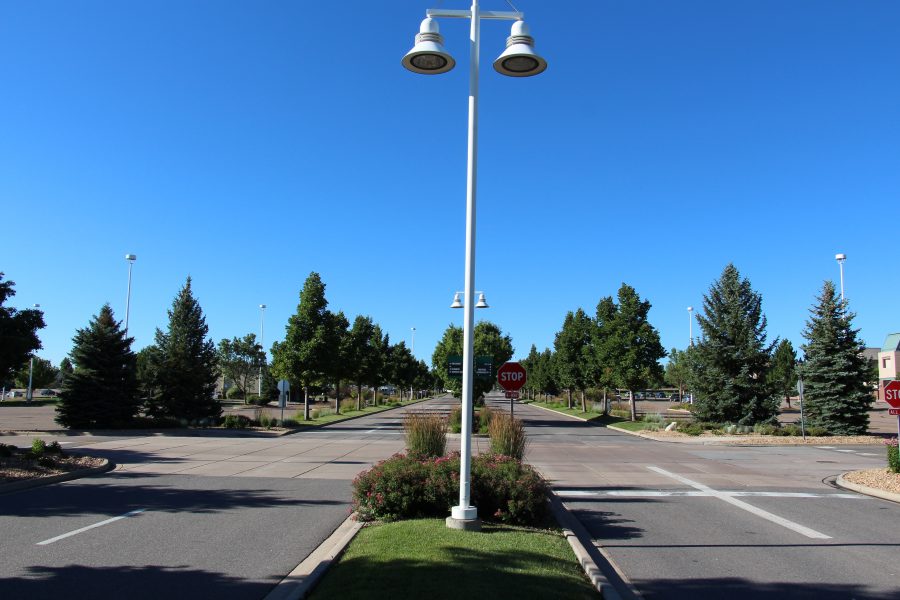
Planting trees around your property can save you money on air conditioning, irrigation and soil replacement. Trees placed strategically around a building can cut air conditioning needs by up to 50 percent during the summer months. The shade from trees can also save you money on watering costs as they slow down the evaporation of water on your lawn.


Trees provide oxygen

On average, one tree produces nearly 260 pounds of oxygen per year. Two mature trees can provide enough oxygen for a family of four. By planting trees on your property, you are producing oxygen for the employees and citizens that visit your business.

Visit our website to see how Terracare Associates can help you bring these benefits and more to your property today.

The Five Best Perennials to Xeriscape a Walkway

A perennial is a plant that persists for many growing seasons, unlike an annual which only lasts one growing season (for more information, check out our blog post on the difference between annuals and perennials). There is such a wide variety of perennial plants that it’s easy to incorporate them into any type of landscape, including a xeriscape. Xeriscaping is the practice of conserving water through landscaping. This trend is growing in popularity not only because it’s good for the environment, it also saves property owners money on water costs and requires less time needed for replanting. Paths and walkways are great places to plant drought-resistant perennials to ensure that everyone who visits your property enjoys beautiful landscaping especially as they enter buildings or along parking areas. Here are five of the best perennials to create a beautiful xeriscaped walkway.

Lavender Hidcote Lavender

Lavender Hidcote is a tall, purple flower known for its wonderful fragrance and its tendency to attract butterflies. It prefers hot, sunny and dry air and well-drained soil, making it the perfect choice for western climates. Lavender Hidcote does not require regular watering and will thrive on just 9-12 inches of rain per year. You can expect to see this plant bloom in mid to late summer.


YarrowYarrow

Yarrow consists of flower heads full of small, tightly packed flowers and aromatic leaves. This plant blooms from mid-summer to fall and typically grows to be two to four feet tall. It grows best when planted in well-drained soil with full sun. Yarrow is known for being durable and tolerating dry spell, so it is a perfect low-maintenance yet beautiful addition to any walkway.


EchinaceaConeflower

Echinacea, better known as coneflowers, are colorful daisy-like flowers that bloom from mid-summer to early fall and can grow up to five feet tall. They thrive in areas with full sun and poor soil. These plants are drought resistant and do not require fertilization. You will see beautiful flowers return year after year with very little work if you choose this plant for your property.


Hens and Chicks Hens and Chicks

Hens and Chicks are succulent plants that get their name from their rosette shape and their ability to produce multiple offspring. They come in a range of colors from green to beautiful pinks and reds. Hens and Chicks are best grown in poor soil with full sun and require very little water. Since these plants thrive in rocky soils, they are perfect for planting in the cracks of stone walkways. Just be sure you stepping stones are raised as these plants will not tolerate much foot traffic.


Lady’s MantleLady's mantle

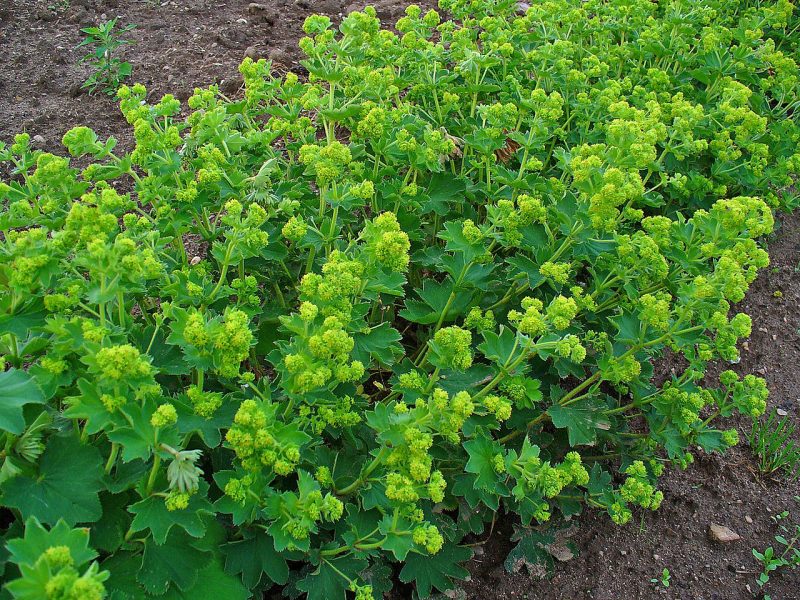
Lady’s Mantle is a clumping perennial that forms green foliage made up of soft, scallop-shaped leaves and yellow-green flowers which bloom in late spring to early summer. It makes for the perfect ground cover to define the boundaries of a walkway or outdoor path. Lady’s Mantle can tolerate full shade or full sun. It does not need to be watered often unless it is planted in full sun or during high temperatures, making it a relatively low-maintenance option.

The Benefits of Creating Outdoor Space on Your Commercial Property

Many property owners think improving their property’s landscape only adds aesthetic value, therefore many believe implementing new landscape projects won’t pay off.  In fact, maintaining and enhancing your property, not only adds value, it can add usefulness too.  However, creating functional outdoor space for employees can be a great investment to attract employees to the property. Research shows that spending the entire day indoors can have negative effects on mental and physical health, causing employees to be less productive and to feel dissatisfied in the workplace. Giving employees an outlet to escape the office and get some fresh air has countless benefits. Spending as little as 20 minutes a day outside can improve memory, reduce stress, encourage team building and improve social interaction. Companies that offer employees access to an outdoor space attract workers and support an employee-centric company culture, which can increase the employee retention rate and attract more applicants.

There’s a variety of ways to create an outdoor space for your company, no matter what type of property you have.

Rooftops or balconiesRooftop

For buildings located in urban areas with limited space, rooftop green spaces are a great option. If you install outlets and a Wi-Fi connection, employees can enjoy a nice change of scenery without straying too far from their desks.


Patio

Patios

If you have pre-existing green space on your property, building a patio is an easy way to give your employees a place to escape the office. It can be used as a place to re-charge while eating lunch, or a peaceful alternative to the conference room for meetings.


Walking trailsWalking trail

If your office building is on a large plot of land, creating a walking trail encourages exercise and team building. Employees can take a quick walk to get their creative juices flowing, or have business discussions that would have otherwise taken place over cubicle walls. As an added bonus, companies that encourage exercise as part of a wellness program often receive discounted rates on healthcare.


If you’re interesting in enhancing the outdoor space on your commercial property, Terracare Associates can help. Just check out our website to see the variety of services we offer to make your dream a reality.

The Three Biggest Landscaping Trends for 2017

Environmentally friendly landscaping practices have been growing in popularity for many years, and 2017 is no exception. The biggest landscaping trends this year focus on protecting the environment and preserving local resources.

  1. NaturescapingNaturescaping

Naturescaping is a landscape concept that involves selecting plants for your property that grow naturally in the area.  Since these types of plants are already evolved to grow under local conditions, the landscaping does not need to be drastically changed to suit them. Not only is this type of landscaping low maintenance, it is environmentally friendly because it requires less watering, less pesticide use and less fertilizer.

  1. Water conservation

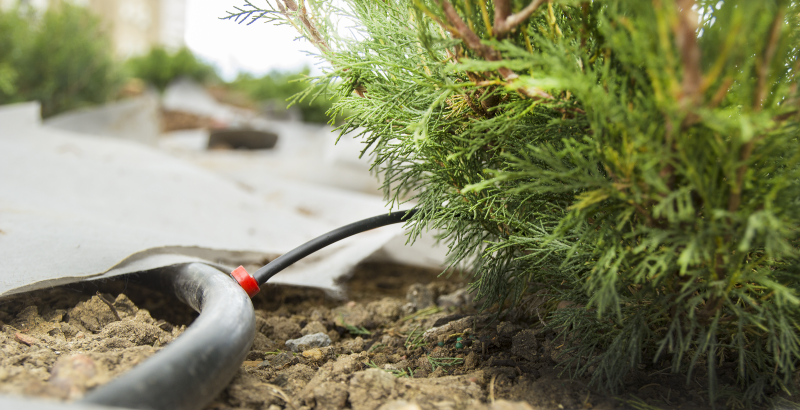
Regulating water use is a top priority during drought conditions, but water conservation tends to slip people’s minds when precipitation levels return to normal. However, water regulations are becoming the new norm year-round due to unpredictable weather conditions across the United States. Choosing drought-resistant plants for your property can drastically reduce the amount of water needed for irrigation. Drip irrigation is another great way to accomplish this. Drip irrigation drips water slowlyDrip system onto the roots of a plant through a system of pipes and valves, rather than saturating plants with a sprinkler system. This minimizes nutrient loss and greatly increases the efficiency of watering. The simplest way to conserve water is to reduce unnecessary water usage before it happens by regularly checking irrigation equipment for leaks and cracks.


  1. Technical advances in irrigation

New technology is constantly being developed to help landscapers and property owners more easily and effectively manage irrigation on their properties. One of the most popular innovations is wireless irrigation controllers that run on Wi-Fi. These are used in conjunction with rain sensors, so they can track weather trends in the area and soil moisture levels to detect how much water needs to be dispensed on your property.

Visit our website website to learn how Terracare Associates can help you and your properties keep up with the latest landscaping trends.

What is Sustainable Landscaping?

The term ‘sustainable’ is everywhere, but what does it mean to our landscapes? The common perception is that sustainability in the landscape means drought resistant spaces that require little or no additional water, which are maintained with an unkempt aesthetic and mulched with rock. This is completely inaccurate. Sustainable landscapes get a bad rap because they are often installed improperly, and almost always misunderstood. There is a much more meaningful, and appealing approach to sustainable landscaping that is generally unknown.

So what are the main characteristics of a proper sustainable landscape? Sustainable landscaping

Sustainable landscapes are planned as complex ecosystems. Similar to nature, sustainable landscapes (also called regenerative landscapes) consider even the smallest niches to ensure the health and function of the complete system. These considerations start at the soil, move through the plant canopy and touch everything in between.

While they do generally require less water than a traditional landscape, the reality is more nuanced. They are designed with specific features and species that are able to thrive in the ecosystem in which they are placed. We have all seen soggy spots and dry spots in our own yards. Sustainable landscapes address these features as separate microclimates that require different materials. The soggy spots would house plants that require more water, while the dry spots would be populated with species acclimated to more arid conditions.

Soil Health

Sustainable landscapes place a high priority on soil health. Without healthy soil you cannot have a healthy ecosystem. Regenerative landscapes add organic matter and soil biology to the soil. Critters like bacteria, fungi and other microbial creatures are the most important part of the soil. These creatures and the soil they create are the “immune system” of the planet. Regenerative landscapes passively build soil health as they mature, strengthening the entire system.

NatSustainable landscapingive Plants

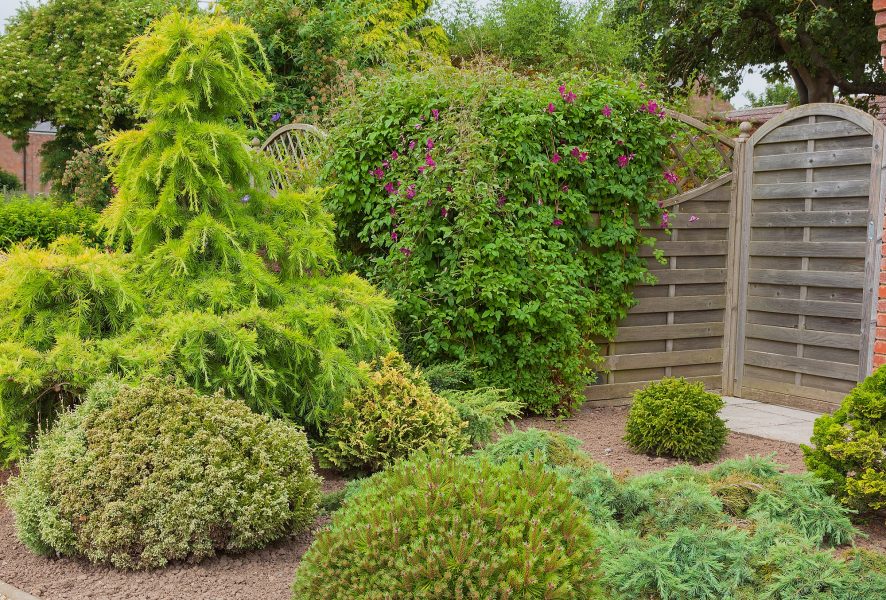
Native plant species are another big part of regenerative landscapes. Natives are perfectly adapted to local conditions like precipitation, temperatures, pests and seasonal changes. If natives don’t pack enough punch for your space, many great cultivars have been developed for superior color and foliage displays.


What can sustainable landscapes be?

Sustainable landscapes can be anything. They can carry almost any aesthetic; natural and wild looking, or clean and compartmentalized. -Even with the same plant palette. They can display blocks of color, or show off muted textures. Turf can also be installed and maintained sustainably. Harvard Yard has been doing it that way for years!

The quickest way to build a truly sustainable landscape is to start from the beginning, but with enough foresight and thought, existing landscapes can be transitioned to a regenerative space.

Pockets can be carved out of a commercial landscape to keep the budget under control, or entire campuses can be transitioned to make a bold statement to your clients and your employees.

If you need direction for your regenerative landscape, reach out. Let’s see what Terracare Associates and your organization can build together.


The Autumn Landscape Checklist

Just in time for winter, autumn is an ideal time to prepare your landscape

Autumn months are optimal times for improving, preparing and caring for your landscape and property. Every region of the country experiences different winter weather so while property managers need to prepare accordingly to their region, there are a few tasks that are applicable to every landscape.

Mark Slicker, Business Development Manager in Dallas / Fort Worth, shared a few of these general tips for property managers:
  • Change out any summer seasonal color for winter seasonal color. Install a variety of flowers which will handle the winter months such as Pansy, Viola, Dianthus, Cabbage, Kale and Dusty Miller.
  • Prune. This is the time to prune trees and shrubs to minimize any possible damage which might occur during ice and snow storms. We recommend pruning magnolias, live oaks and wax myrtles.
  • Reshape trees. Conduct major re-shaping of shade trees (oaks, aspens, poplars, elms and birches) as needed after the first freeze when plants go dormant. This is a good time to remove dead or excess plant materials that stands out on bare limbs.
  • Install new plant material. Plant roots grow anytime the soil temperature are 40 degrees or higher – this is typical during the fall. Cooler temperatures and more moisture means newly sowed plants can focus on establishing heartier root systems.  If a root system is established in the fall, then when spring arrives, this expanded root system can support and take advantage of the full surge of spring growth. It also means it is more likely to survive during the summer heat.
  • Divide and replant perennials. The great part about perennials is once the plant is established and healthy, these plants can easily be divided and replanted in other areas of the property. Now is a good time to do this task. Perennial flowers such as iris, day lily, coneflower, coreopsis, and lavender are great examples.
  • Control weeds. Weeds are just like other plants in your landscape. They are saving the last bits of sunlight, water and nutrients to survive through the winter. Now is the time to apply weed killing compounds as the plant will take this with everything else it’s gathering to survive and transports it directly to the growing point of the plant.
  • Aerate. No matter the style of aeration, the fall is the best time to aerate the green spaces and grassy areas on your property. Aeration opens the soil and promotes a better environment for grass roots


Need help cleaning and preparing your property this fall? Contact us for a free assessment on how and where to best work with you to exceed your property’s needs.


How to Find the Best Commercial Landscape Contractor for You


The pressure to control costs, while maintaining the value and beauty of your property, is a constant balancing act for many commercial property managers. Maintaining the outside areas of your commercial property is much like maintaining curb appeal for your home. In a recent survey of Society of Real Estate Appraisers, 95 percent of the respondents said professional landscape maintenance adds dollar value and can improve attraction to tenants. The property’s overall landscape, well maintained turf areas, floral beds and trees are the first things a potential tenant will see when evaluating property options. Is your property making an impression?

Screen Shot 2016-08-30 at 9.05.07 PM

Think about this when you prepare your annual budgets or when you are vetting bids; your landscape should be a priority, not an afterthought. Consideration should be taken for a variety of landscape projects; curb appeal is important to attract tenants, while water-conservation efforts can reduce costs and meet mandated reductions. Significant landscape projects may be needed, so carefully review projects like turf conversion, enhancement projects, or irrigation repairs before you select your landscape contractor. As a property manager, where do you start in determining what landscape services you need, and what is important?


What a Commercial Landscaping Company Can do for Your Property

Commercial landscaping refers to the management and healthcare of the plants, flowers, turf mowing, trees and shrubs. It also includes necessary maintenance services such as irrigation inspection, storm management, plant health care and water conservation improvements. Because of the inherent differences between residential and commercial property, it is often recommended to seek a contractor that specializes in commercial and public landscape services. As a property manager, having a basic understanding of landscaping services may be critically important when you develop your annual budget. It is also very important when you compare landscapers, as not all provide the same breadth and depth of services.


Key Questions to Ask your Current or Potential Landscape Provider

We have developed a qualifier form to help to evaluate and select a landscape contractor. A sampling of questions are:

  • What size property can the landscape provider or contractor adequately service?
  • How long has the company been in business?
  • Does the contractor have the required liability insurance?
  • Are they licensed to apply pesticides and work irrigation systems?


Knowing what you want in a landscape contractor is essential, properly forecasting and budgeting for your needs is the key to a beautifully well-kept property. Terracare Associates – TCA offers a free service to help you assess your property for landscape services and get what you need.


Contact us for more information about how we can provide the kind of landscape maintenance services your property deserves.

Steps to create a budget for your commercial landscape property

As a commercial property manager, you may cringe when you hear the word budgets. The challenge lies in figuring out how to budget for your property’s landscape maintenance and receive the services you need to maintain a quality property. Understanding and clearly defining scope of work helps to build an accurate budget and communicate your needs to your landscaper. Eliminate guessing games by using your landscape partner to help determine the level of service you expect year round. We recommend three easy steps to help develop your budget and needs for the following year:


Step 1 – Educate and define services needed

Take the time to assess your property and determine what needs to be serviced over the next year. What services should be included in regular maintenance to keep your landscape in pristine condition? What additional work do you need to ensure a beautiful property in the future?  Education on plant and turf requirements and technical landscape best practices can help greatly on determining maintenance requirements.  Terracare Associates –TCA offers both one-on-one assistance and in-office workshops to educate your entire staff.


Step 2 – Build your Budget with end result in mind

How do you want your property to look? Include all landscape maintenance services that create the property you want.  We have developed a simple budget worksheet exclusively for our customers to easily and quickly define services needed and associated costs. This 10 to 15-minute process assesses landscape services and improvements to help you to develop a comprehensive budget.


Step 3 – Contact your Landscape Professional

Building a complete and accurate budget is daunting, so make it easier by contacting your landscape representative. This is a perfect time to ask for assistance when budgeting and forecasting for next year’s services.  TCA assigns a representative to every customer for a consistent and reliable support.


Identify a landscaper who has the right experience, the right focus on customer service, and the right resources to get the job done.


Interested in learning more about budgeting appropriately for next year? Let’s talk today about how to budget for your commercial landscape maintenance needs, and why managing expectations is critical for a positive year long experience.

A Quick-and-Simple Guide to Xeriscape

Xeriscape landscaping can be the most efficient and effective method for commercial properties, municipal parks, and cities to achieve water use reduction and reduce costs. Xeriscape has been cited as reducing outdoor water use by as much as 70 percent. While not a new concept, the increased frequencies of droughts and water scarcity has put a spotlight on the importance of xeriscape and its capabilities of reducing water while maintaining a beautiful and appealing landscape.


What is xeriscape?

Xeriscape is a set of water-wise landscaping and water conservation principles. It’s the idea of maintaining both an appealing landscape through introducing low-water-use plants.


Here are the fundamentals of xeriscape.

Plan and Design

Planning and designing the landscape will help ensure the new plants and overall xeriscape will not only survive, but thrive. Talk with your landscape contractor about the function of the landscaped area, sun exposure, and overall goal of the project.

  • Function: What function will the new xeriscaped area serve? For instance, if you need to keep a grass turf area in your park, how do you balance this need while incorporating drought-resistant plants? Your commercial landscape professional can help determine how to incorporate function and new design into your landscape.
  • Sun: Consider how much sun each section of the xeriscape will receive. Will it be morning, afternoon, or all-day sun? The amount and time of sun exposure will affect the types of plants selected.
  • Goal: What’s the overall goal of the project? Do you need to drastically reduce water usage or looking to make the maintenance of the overall property easier and more affordable? Discuss your goals with your landscape provider who will be able to provide appropriate suggestions and tips.


Soil

Depending on the soil quality, soil amendments might be necessary before planting. Soil changes can enable the soil to better absorb water. It’s notable though that not all xeric plants will need rich soil. Soil in all areas will need to be loosened before planting.


Plants

Xeriscaping utilizes the concept of zones – grouping plants together with similar water needs. Where you are located and how dry your climate and landscape are will dictate which plants will thrive in the landscape. Consult your landscape professional for help with selecting appropriate plants.


Irrigation

Not all areas of your landscape need the same amount of water. Design irrigation zones to fit the needs of the plants within designated zones. Turf areas will need more water compared to low-water-use plants. This approach will help save water and properly care for each plant. Remember to keep irrigation maintained to ensure optimum efficiency. Your landscape professional can help identify how much water is needed for each area and which irrigation methods will be most useful.


Mulch

As we’ve discussed in our previous post on mulch (How this 1 surprising landscape enhancement can revive your property), mulch is any type of material -usually natural – serving as a cover and is spread over the soil. Not only does it help suppress weeds and improve soil quality, it can help insulate plants and minimize water evaporation and greatly improving water usage.


Contact your landscape professional to assess how to turn the landscape you manage into a xeriscape landscape.

Creating a Community Friendly, LEED Certified Complex in Texas

How do you create a sustainable, welcoming outdoor environment meeting strict LEED certified specifications for both corporate employees and a community to enjoy together?


That’s where Blue Cross Blue Shield of Texas found itself in 2010. Blue Cross Blue Shield of Texas moved their headquarters to the heart of Richardson, Texas, in the greater Dallas-Ft. Worth area. As the 34-acre LEED Silver Certified complex was completed, the company sought to beautify the outdoor spaces, gardens, and trails that would embody the company’s mission of health and wellness for employees and the community while also ensuring the landscaping synced with LEED specifications.

Blue Cross Blue Shield TerraceBlue Cross Blue Shield Pathway


Tackling the Project

Terracare Associates – TCA has been a valuable partner to Blue Cross Blue Shield of Texas for 18 years providing extensive customized landscape maintenance within budget during long summer months of extreme heat while also complying with local water restrictions. TCA set to work, alongside the Blue Cross Blue Shield of Texas team, planning and developing ongoing maintenance plans for the property’s landscape, which included manicured flowerbeds, two acres of turf grass, three acres of wildflower beds, and 10 acres of natural grass fields. The landscaped area would require full maintenance services including full service land management, extensive mowing, plant healthcare, integrated pest management, irrigation services, tree and shrub pruning, enhancement and construction projects, and ongoing clean-up and repair. This was a massive project to both undertake and maintain, and that’s what TCA did.

Natural Grass at Blue Cross Blue Shield Texas Blue Cross Blue Shield Tree Walkway


Customized Solutions

TCA worked hard with the team at Blue Cross Blue Shield of Texas to create a customized maintenance plan and procedures for the entire property, ranging from specific plans and timelines for the individual environments to property-wide systems. Plans and procedures included tailored maintenance outlines for each type of turf grasses, wildflower areas that were reseeded annually, and perennial beds that were monitored for pruning and growth. The TCA team also provided additional dedicated staff to sections of the property that required more attention. For instance, a dedicated irrigation project manager worked to manage and maintain the system – adjusting for environmental changes and plant requirements. TCA also provided ongoing consultation to ensure LEED requirements and documentation were completed and submitted appropriately to maintain LEED certification for the entire complex.

Blue Cross Blue Shield Walkway

Can TCA help your community or city improve your landscape? TCA’s team would love to chat with you about how we can help. Why not consider sending TCA a request for proposal?